

Introduction
In a medical emergency, one of the most critical decisions you can make is knowing when to call or activate Emergency Medical Services (EMS). For both adults and adolescents, recognizing the signs that require immediate medical attention can significantly affect the outcome of the situation. In this article, we will break down why for adults/adolescents, you should call/activate EMS in specific situations, the benefits of doing so, and how immediate intervention can save lives.
What is EMS and Why is it Crucial for Adults and Adolescents?
Emergency Medical Services (EMS) refers to the network of paramedics, emergency medical technicians (EMTs), and other trained professionals who are dispatched to provide urgent medical care in critical situations. Whether it’s a heart attack, severe trauma, respiratory failure, or other life-threatening conditions, EMS teams are equipped to provide immediate, on-site care and transportation to hospitals.
For adults and adolescents alike, understanding when to call EMS is vital. Delaying medical care or attempting to handle the situation alone can result in worsening conditions, especially in emergencies such as cardiac arrest, stroke, severe allergic reactions, or trauma.
By calling or activating EMS, you ensure that trained professionals are able to assess the situation, stabilize the individual, and transport them to the appropriate facility for further care. The faster medical care is provided, the better the chances of recovery or survival.
For Adults/Adolescents, You Should Call/Activate EMS When You Witness These Symptoms or Events
Certain symptoms or events require immediate professional attention. Here are the scenarios where, for adults/adolescents, you should call/activate EMS without hesitation:
- Severe Chest Pain or Discomfort: Chest pain, especially if it is severe, sudden, or accompanied by sweating or nausea, may signal a heart attack. Adults, particularly those over 45, are at risk for heart conditions. For adolescents, sudden chest pain can also indicate other serious conditions like myocarditis or stress-induced heart problems.
- Trauma and Uncontrolled Bleeding: Whether from an accident, fall, or violent injury, if someone is losing a lot of blood or has severe trauma (such as a head injury or broken bones), it’s vital to activate EMS immediately. Emergency care can stop bleeding and prevent further damage.
- Severe Breathing Difficulty: If an individual is struggling to breathe or gasping for air, this may be a sign of respiratory distress caused by conditions like asthma, anaphylaxis, or pneumonia. EMS teams are equipped to provide oxygen, administer medications, and ensure the airway remains clear.
- Unresponsiveness or Loss of Consciousness: When someone loses consciousness or becomes unresponsive, it’s essential to call EMS. Loss of consciousness can be caused by various issues, such as heart problems, dehydration, stroke, or seizures, all of which require immediate attention.
- Severe Allergic Reactions (Anaphylaxis): A severe allergic reaction, indicated by swelling of the face or throat, difficulty breathing, or a rash, needs immediate intervention. EMS can administer epinephrine and other medications to stabilize the person before transport.
- Seizures: While some seizures are mild and resolve on their own, seizures lasting more than five minutes or occurring in rapid succession require professional intervention. EMS can monitor the person, provide oxygen, and ensure they are stable during and after the event.
Why For Adults/Adolescents, You Should Call/Activate EMS Instead of Handling the Situation Alone
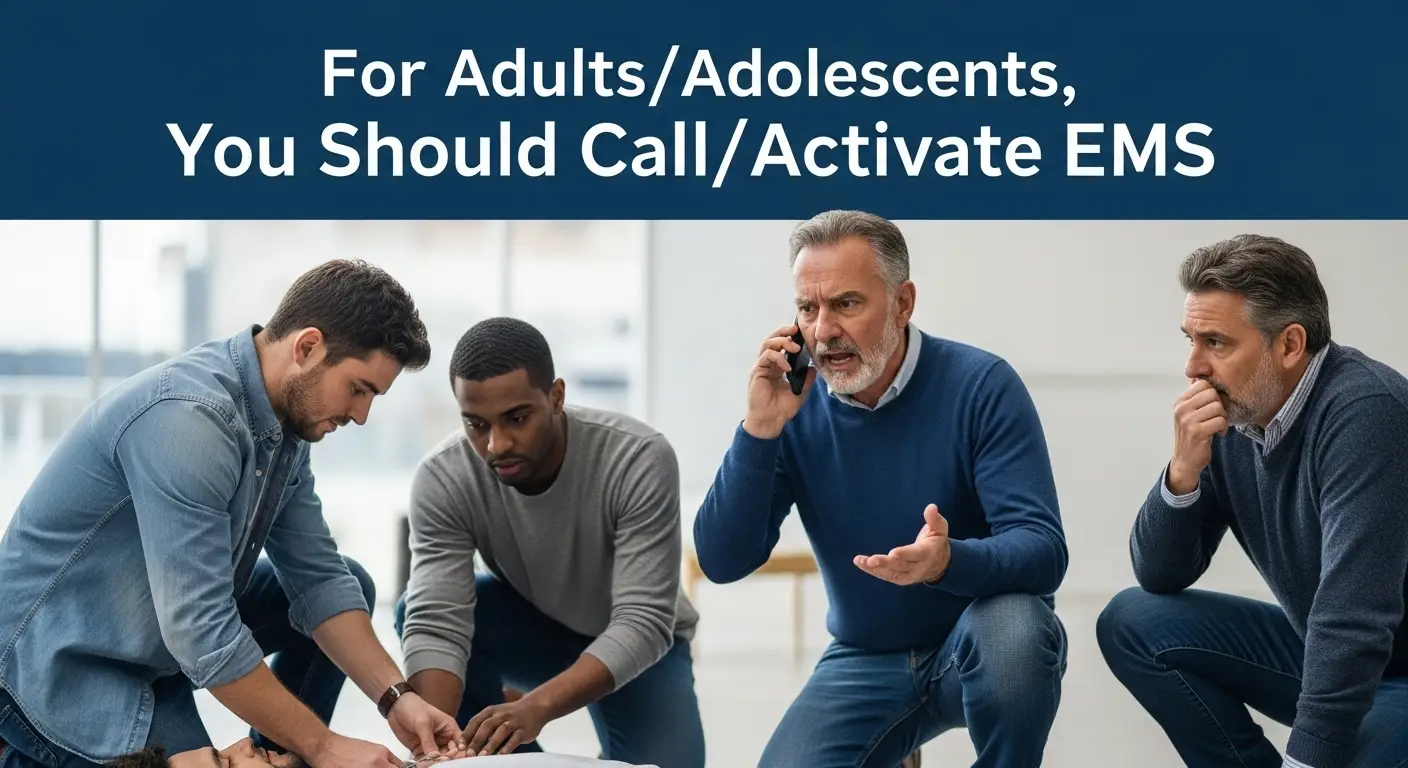
There are several compelling reasons why it’s essential to activate EMS rather than attempting to handle medical emergencies without professional help:
- Access to Specialized Equipment: EMS personnel carry vital medical tools, such as defibrillators, IV fluids, oxygen, and other life-saving equipment that are not readily available at home or in non-medical settings. For instance, defibrillators can save lives during a cardiac arrest, a tool that can be life-saving when administered quickly.
- Expertise in Emergency Care: EMS teams have years of training to handle critical medical situations. Whether it’s performing CPR, managing trauma, or administering the correct medications, they are trained to react quickly and effectively in emergencies. For adults or adolescents, especially in critical situations, their expertise ensures that the right steps are taken immediately.
- Faster Transport to Medical Facilities: One of the most significant benefits of calling EMS is that they provide rapid transport to the nearest hospital. This ensures that individuals get the required care, whether for emergency surgeries, intensive care, or diagnostics. Time is often the most critical factor in determining the outcome.
- Avoiding Further Injury: If a person has sustained injuries, attempting to move them could make the situation worse. EMS professionals are trained in proper body stabilization and transportation techniques that reduce the risk of exacerbating injuries, particularly in cases of spinal cord injuries or fractures.
Real-Life Examples of EMS Interventions Saving Lives
Let’s take a look at some real-life examples that showcase the importance of calling EMS in a medical crisis.
- Case of Heart Attack: An adult male in his early 50s began experiencing intense chest pain while walking in a park. His family called EMS immediately. The paramedics arrived within minutes, provided oxygen, and administered aspirin to help thin his blood. They transported him to the hospital where he received a successful angioplasty, preventing further damage to his heart muscle.
- Case of Severe Asthma Attack in an Adolescent: A teenager with a history of asthma began experiencing shortness of breath and wheezing while playing soccer. His parents quickly called EMS when his inhaler failed to provide relief. Paramedics arrived promptly and administered nebulized medication, which opened his airways, allowing him to breathe normally again. Without EMS intervention, the situation could have become life-threatening.
What Should You Do While Waiting for EMS?
While waiting for EMS to arrive, there are a few key actions that can help the individual and improve their chances of survival:
- Stay Calm: It’s essential to stay calm during an emergency. Panic can prevent you from thinking clearly or acting effectively.
- Provide Accurate Information: When speaking to the dispatcher, provide the individual’s exact symptoms, medical history, and your location. This allows the EMS team to be prepared and to bring the necessary equipment.
- Follow Dispatcher Instructions: Dispatchers may provide instructions, such as performing CPR or helping to position the person in a certain way. Following these directions can save lives and stabilize the person until help arrives.
Common Mistakes People Make in Emergency Situations
Despite good intentions, people often make the following mistakes in emergencies:
- Waiting Too Long: One of the most common mistakes is waiting to see if the situation improves. In many emergencies, such as strokes or heart attacks, every minute counts. Delaying a call for EMS can reduce the chances of survival.
- Not Recognizing Severity: Sometimes, individuals don’t realize how severe a situation is. Symptoms like severe chest pain, breathing problems, or a loss of consciousness should never be ignored. It’s always better to call EMS and err on the side of caution.
- Trying to Transport the Person Alone: If you try to transport someone to the hospital yourself, you risk worsening their condition, especially in cases of trauma or severe medical issues like heart attacks or strokes.
Conclusion
In emergency situations, knowing when to call or activate EMS can make a life-saving difference for both adults and adolescents. By recognizing key symptoms, understanding the importance of immediate professional care, and avoiding common mistakes, you can ensure that individuals receive the care they need at the right time. Whether it’s severe chest pain, breathing difficulties, or trauma, EMS professionals are there to provide fast, expert intervention and transport to the necessary medical facilities. For adults/adolescents, you should call/activate EMS immediately when faced with a medical emergency to maximize the chances of a successful outcome.
Source: https://megapersonals.co.com/