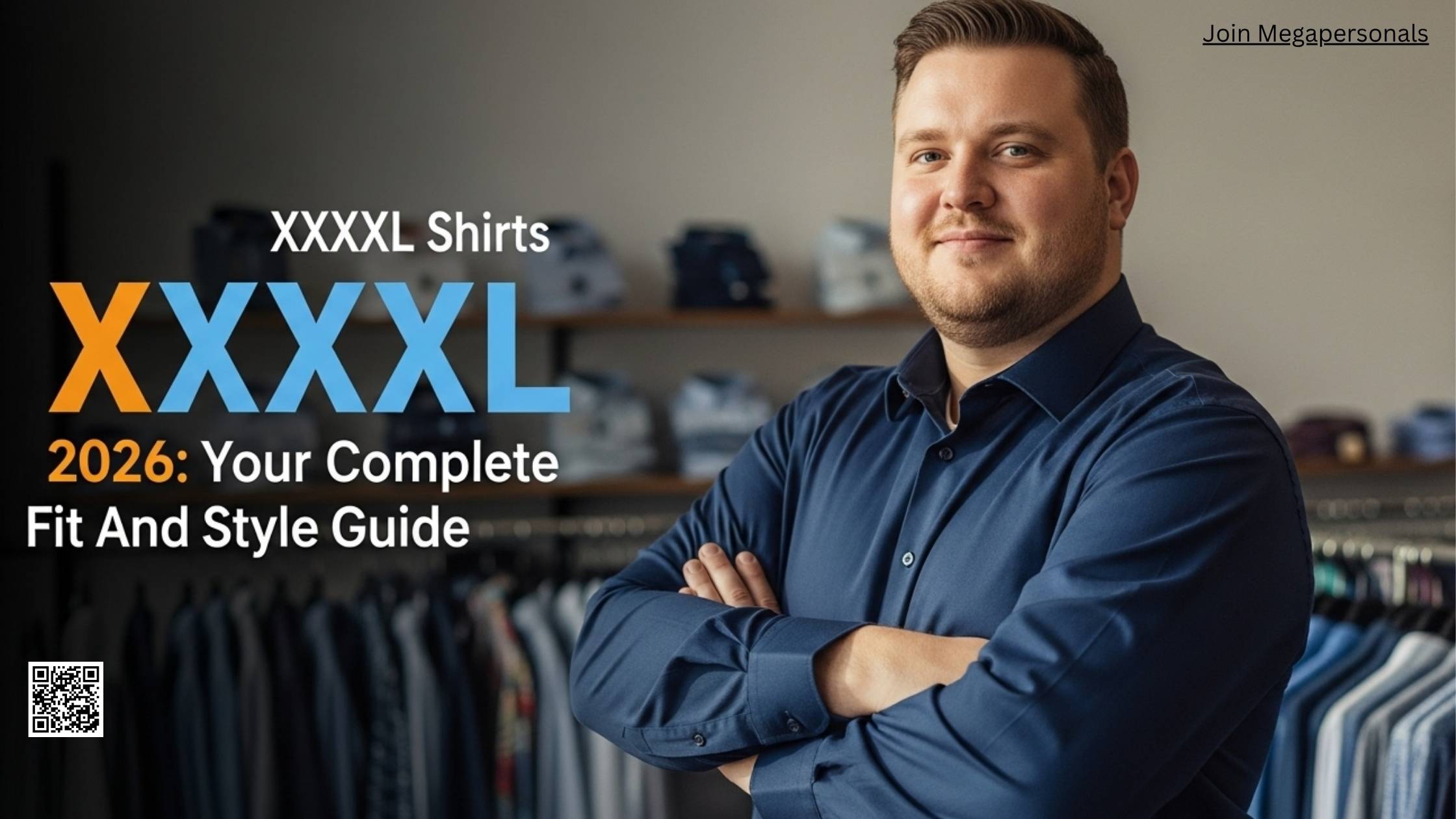
Choosing shirts in larger sizes can feel overwhelming when the fit shifts between brands, the measurements never match, and the fabric that looks great online turns out stiff or tight when it arrives. When I speak with people who shop in extended sizing, many share the same concerns. They want clothing that feels comfortable, looks clean, offers room without looking oversized, and holds up after months of regular wear. This is exactly what this guide helps you navigate. By the time you finish reading, you’ll understand what a typical XXXXL size means in 2026, how modern brands shape their silhouettes, and how to select pieces that work for your lifestyle rather than giving you another disappointing purchase.
Before going deeper, let’s answer the most common question. What are XXXXL shirts in 2026 and how do they differ from past sizing? These shirts fall under extended menswear sizing, usually around a 54 to 56 inch chest depending on the brand. In recent years, many manufacturers updated their patterns to add more room through the shoulders, waist and biceps after consistent feedback from bigger-bodied buyers. This means the 2026 fit often feels more balanced than earlier versions.
Once you understand how sizing evolved, it becomes easier to shop without the frustration of guessing. I’ve broken everything into clear sections so you can move through fit, fabrics, styling, care and brand expectations in a natural flow rather than trying to hunt for answers. Let’s start with what matters most: choosing the right size and shape for your body.
Understanding XXXXL Sizing In 2026
Sizing at the XXXXL level depends on the brand’s measurement chart, the market they design for, and the body type they consider their baseline. Extended sizing isn’t simply scaled-up small or medium patterns. When you look closely, you’ll notice that modern patterns in 2026 add width through the chest and arms, but also place more attention on shoulder slope, neck opening, and side-panel shaping. This makes a noticeable difference in comfort.
How Brands Define Measurements
Manufacturers refine their charts each year to match real customers. You’ll see the chest listed first, usually between 54 and 56 inches. The waist often ranges slightly lower, which avoids a tight midsection when seated. The sleeve length varies widely. Some brands assume longer arms at greater sizes, while others stick to moderate lengths to prevent overhanging cuffs.
A typical XXXXL option in 2026 may include the following measurements:
Chest: 54 to 56 inches
Waist: 52 to 54 inches
Shoulder width: 22 to 24 inches
Sleeve length: 35 to 37 inches
Neck size: 19 to 20 inches
These numbers are not universal, which is why cross-checking your own measurements helps more than relying on labels. If you’ve ever experienced shirts that pull at the front buttons or sag behind the neck, mismatched measurements were most likely the issue.
How To Measure Yourself Correctly
People often underestimate or overestimate their measurements. I’ve seen this happen often when someone uses an old shirt to guess their size instead of taking a quick tape measurement. Accurate measurements make all the difference.
Here’s a simple approach.
Chest
Wrap the tape around the fullest part of your chest, just under the arms, keeping it parallel to the ground. Relax your posture while measuring.
Waist
Measure around your natural waistline, which usually sits slightly above the belly rather than at the hips.
Shoulders
Ask someone to measure across your back from one shoulder bone to the other. This measurement impacts how the shirt drapes.
Sleeves
Start at the shoulder bone, move down the outside of your arm, and stop at the wrist bone. Bend your arm slightly to avoid a tight fit when moving.
Neck
Measure around the base of your neck where the collar would sit.
Why Fit Can Still Vary Across Brands
Even with a proper chart, brands interpret sizing differently. Some use European blocks, which are more fitted. Others follow US patterns, offering more ease around the chest. Many newer extended-size brands prioritise breathability, adding ventilation fabrics behind the panels or integrating stretch materials subtly into the weave. When you understand these differences, you avoid the confusion that comes from ordering two XXXXL pieces that should fit similarly but feel entirely different.
Choosing The Right Fabric For Comfort And Appearance
Fabric selection impacts comfort more than any other factor. Extended sizing requires fabrics that move without clinging and drape well without feeling heavy. In 2026, brands experiment with blends that make shirts more durable and more breathable than most previous collections.
Natural Cotton
Cotton remains a favourite because of its softness and breathability. High-quality cotton avoids the stiff texture that cheap shirts sometimes have. Long-staple cotton, especially combed varieties, feels smoother and lasts longer.
Real-life example
A friend of mine who works long shifts in an office switched from synthetic blends to long-staple cotton because synthetic shirts would trap heat under the arms. Cotton allowed air flow and reduced sweat patches significantly.
Stretch Blends
Stretch blends often include a small percentage of elastane. This flexibility helps at the elbows, shoulders and chest. For people who move a lot in their day or work jobs requiring regular lifting, stretch blends offer more comfort without looking casual.
Linen
Linen is trending again in 2026 thanks to climate-driven fashion changes. It keeps the body cooler and avoids sticking to the skin. It wrinkles easily, but shorter fibres and improved weaving techniques reduce that compared to older linen shirts.
Moisture-Control Fabrics
Many brands now use moisture-control technologies originally developed for sportswear. These fabrics wick sweat away, allowing the shirt to stay dry. They’re great for travel or humid environments.
Comparing Popular Fabric Options
A simple table helps you decide which material suits your needs.
| Fabric Type | Comfort Level | Breathability | Durability | Best For |
| Cotton | High | High | High | Daily wear, office |
| Stretch blends | Very high | Medium | High | Activities involving movement |
| Linen | Medium | Very high | Medium | Warm climates |
| Polyester blends | Medium | Medium | Very high | Low-maintenance care |
| Moisture-control fabrics | Very high | High | High | Travel, heat, long days |
Read: सेक्सी लुक कैसे पाएं सरल स्टाइल और मेकअप टिप्स
Choosing A Shirt Based On Your Body Shape
Extended-size shoppers often mention that finding shirts is less about the number on the tag and more about how the garment suits their shape. Body shape affects shoulder drape, chest spacing and how the bottom hem sits.
Broad Shoulders
If you have broad shoulders, a shirt with structured seams helps maintain shape. Avoid options where seams sit too far down your arm, as this makes the shirt look oversized even when it fits everywhere else.
Fuller Midsection
A straight or relaxed cut works better than tapered designs. Look for extra ease around the belly so it doesn’t ride up when seated. A slightly longer back hem prevents shirts from lifting.
Larger Arms
Choose shirts with wider sleeves or stretch-supported designs. Some brands now add underarm gussets to allow better movement without tearing at the seam.
Height Considerations
Tall individuals should look for tall variants, which add length without increasing width. Shorter individuals often benefit from regular lengths to avoid bunching at the waist.
Style Choices That Work Well In 2026
Shirt styles evolve every year. In 2026, the emphasis is on clean lines, breathable materials and versatile colours.
Button-Down Shirts
Still the most popular option for work and casual settings. Modern versions come with reinforced collars to prevent them from curling after washing. Light blues, whites and subtle prints dominate this category.
Casual Overshirts
Overshirts work well as outer layers for mild weather. They give structure to an outfit and allow you to layer without adding bulk.
Polo Shirts
Polos in extended sizes often suffer from tight sleeves, but improved patterns in 2026 offer better room at the biceps and chest.
Formal Shirts
Formal options now come with stretch cuffs and adaptive collar bands. These ensure a clean look even when the neck requires extra space.
Printed Shirts
Subtle prints add personality without overwhelming the frame. Vertical patterns also create a visually lengthened shape.
Building A Wardrobe That Works Year-Round
A functional wardrobe includes pieces for work, weekends, travel, formal events and active tasks. When you plan your wardrobe with purpose, you avoid buying shirts that sit unused in your closet.
Work Essentials
A set of reliable cotton shirts in neutral shades helps you build a flexible rotation. Look for simple collars, structured cuffs and fabrics that resist fading through frequent washing.
Weekend Options
Soft jersey or stretch-blend casual shirts offer all-day comfort. These are ideal for errands, family gatherings or relaxed occasions.
Travel Shirts
Moisture-control fabrics shine here. They pack lightly, resist wrinkles and dry quickly. These shirts save time when you’re on the move.
Seasonal Variants
Summer
Linen and cotton blends perform well in humidity.
Winter
Heavier oxford weaves or flannel blends work well layered under jackets.
How To Achieve A Clean And Balanced Look
Even the best shirts fall flat without the right pairing. Proportion matters when styling extended sizes.
Pairing With Trousers
Straight-leg trousers balance the upper and lower body. Slim designs might look tight, but tapered options with room in the thigh area work well if balanced correctly.
Colour Coordination
Darker shades on the torso create a neat silhouette. Pair these with lighter trousers to maintain contrast without creating a top-heavy look.
Layering
Light jackets or overshirts add structure. Avoid bulky layers that add width.
Tucking And Untucking
Many people assume they cannot tuck shirts comfortably at this size. A properly fitted shirt with a slightly curved hem makes tucking easier. Untucked options should hit mid-hip to avoid the shirt looking short.
Real-Life Scenarios That Influence Fit
Understanding how shirts behave in different situations helps you evaluate what you truly need.
Office Work
Sitting long hours tends to tighten the midsection area, so shirts with more belly room work better. Wrinkle-resistant fabrics also maintain a clean look throughout the day.
Outdoor Jobs
Movement requires flexibility. Stretch blends, reinforced seams and moisture-control fabrics handle sweat and friction better.
Social Events
Printed shirts or subtle patterns break monotony and photograph well. If you attend events often, keeping two or three statement shirts helps expand your outfit options.
Travel
Long flights need breathable fabrics. A moisture-control shirt or a soft cotton piece prevents discomfort caused by extended sitting.
Common Mistakes When Shopping For Larger Sizes
Even experienced buyers sometimes repeat a few mistakes.
Assuming All Brands Follow The Same Chart
This leads to unnecessary returns. Always check the measurement chart before ordering.
Choosing Shirts Based Only On Width
Length, shoulder placement and sleeve allowance matter equally. A wide chest with short sleeves causes pulling at the arms.
Ignoring Fabric Behaviour
Some fabrics shrink slightly after washing. When buying cotton, check if it is preshrunk.
Forgetting Your Lifestyle Needs
A shirt that looks great but restricts movement won’t serve you well. Consider your daily routines before buying.
How To Maintain Shirts So They Last Longer
Care routines preserve fabric quality and shape.
Washing
Use cold water for most cotton and stretch blends. Hot water weakens fibres and causes shrinkage.
Drying
Air drying maintains the drape better than tumble drying. If you use a dryer, choose low heat.
Ironing
Steam helps soften fabric and remove wrinkles without applying harsh pressure.
Storing
Fold shirts loosely or hang them on wide hangers. Narrow hangers distort the shoulders.
Trends In Extended Menswear For 2026
The extended menswear market continues expanding. More brands enter the space each year due to rising demand for inclusive sizing.
Greater Focus On Patterning
Designers now build patterns specifically for larger frames rather than scaling up smaller ones. This results in cleaner stitching, better drape and fewer fitting issues.
Improved Collar And Cuff Designs
Adaptive collars and flexible cuffs help maintain a polished look without discomfort.
Sustainable Fabrics
Eco-conscious shoppers will notice more organic cotton and recycled polyester blends. These materials offer the same durability with less environmental impact.
Personalised Sizing
Some platforms now allow custom measurements for extended sizes. This trend will likely become more common by the end of 2026.
How To Shop Better In 2026
Shopping smart isn’t just about picking a shirt that fits well today. It’s about understanding your requirements so future purchases become easier.
Compare Multiple Charts Before Buying
Take your measurements once and keep them saved. Match them against each brand’s chart to avoid mistakes.
Read Customer Reviews Thoughtfully
People with similar measurements often leave helpful notes about fit, sleeve width, and fabrication.
Choose Colour Palettes That Suit Your Wardrobe
This reduces unnecessary shopping and allows your shirts to mix well with trousers you already own.
Try New Fabrics
Modern blends have improved significantly. Giving them a try widens your options.
Building Confidence Through Clothing
People often underestimate how much a good-fitting shirt can impact confidence. When clothing moves with your body rather than restricting it, you feel ease in daily activities. A clean fit at the shoulders and chest gives a structured appearance while maintaining comfort.
How Fit Affects Perception
A shirt that sits well communicates care and self-presentation. You don’t need expensive options. Fit alone elevates the entire look.
How Colour Choices Influence Confidence
Neutral colours give a calm and organised look. If patterns make you uneasy, start with small prints and build up gradually.
Taking Ownership Of Your Wardrobe
When you understand fit, fabrics and personal style, you stop relying on random purchases. You choose with intention, which results in better outcomes.
Final Thoughts On Choosing Shirts In Extended Sizes
Shopping for shirts that fall within extended sizing becomes straightforward once you understand sizing systems, fabrics, shapes and styling principles. The more you learn about how manufacturers design shirts at this level, the easier it becomes to spot high-quality pieces instantly. By focusing on accurate measurements, comfortable materials and balanced styling, you build a wardrobe that supports your day rather than complicating it.
Movies4u – Your Simple Guide to HD Movies Online (Free and Legal Options)
Frequently Asked Questions
How can I prevent button gaps on the front of my shirt?
Button gaps usually appear when the chest or midsection has less ease than your body needs. Choosing a shirt with reinforced plackets, slightly more room through the midsection, or a stretch-supported fabric helps prevent that pulling effect. You can also look for hidden button panels often used in formal shirts, which keep the front flat even when you move.
What is the best collar type for a larger neck and broader face shape?
A semi-spread collar works well because it maintains structure without feeling tight. It also balances the proportions of the face better than narrow collars. Adaptive collar bands, which offer a small amount of hidden stretch, are also helpful if your neck size fluctuates slightly between seasons.
Are tall versions of XXXXL shirts different from regular length versions?
Yes, they are designed for height, not width. A tall XXXXL option extends the length of the torso and sleeves while keeping the chest and waist measurements the same. This prevents the shirt from riding up when you sit or lift your arms, which is a common discomfort for taller individuals buying regular lengths.
How many shirts should I keep in a rotation to make them last longer?
A rotation of five to eight shirts spreads out wear evenly. When you rotate shirts, the fabric fibres recover between uses, which reduces fading and strain on seams. This routine helps each shirt maintain its shape and appearance for a longer period.
What should I look for when choosing shirts for sensitive skin?
Look for fabrics with smooth fibres like long-staple cotton or bamboo-based blends. These materials reduce friction on the skin. Avoid heavy chemical finishes and choose options labelled as breathable or hypoallergenic when possible. Pre-washing shirts before the first wear also helps remove any leftover manufacturing residue.