

I keep hearing one set of worries whenever friends ask me about high fantasy: Where do I start? Will I get lost in the names? Do I need to read thousands of pages first? If those questions sound familiar, you’re in the right place. In this guide I answer, right up front, what wladca pierscieni: druzyna pierscienia is, then I walk you through the people, places, languages, and ideas that make it a classic. I write in simple language, use plenty of concrete examples, and give you quick-reference tables and bullets so you never feel adrift.
Before we go any further, here’s the core benefit of reading this guide: you’ll save time. I cut through noise, map the journey, and show you how the book and the 2001 film connect. When you finish, you’ll know the main characters, the route across Middle‑earth, the timeline, and the themes—so whether you pick up the novel or press play on Peter Jackson’s adaptation, you’ll feel ready.
What is it, exactly?
I start with the essential answer. The phrase in the title is the Polish name for The Lord of the Rings: The Fellowship of the Ring—the first volume of J. R. R. Tolkien’s epic and the first movie in the award‑winning film trilogy directed by Peter Jackson. The story opens in the Shire with a small hero, Frodo Baggins, who inherits the One Ring, a master artifact forged by Sauron. A council in Rivendell forms the Fellowship—nine companions sworn to help the Ring‑bearer travel toward Mordor and cast the Ring into Mount Doom. That’s the premise in one breath, the kind of quick clarity you can carry into any conversation about the series.
- Author and lore: J. R. R. Tolkien, philologist at Oxford, creator of Quenya and Sindarin (Elvish languages), set the tale in the Third Age of Middle‑earth.
- Book release: First published in 1954 as Volume I of the larger work.
- Film release: First screened in 2001, with Elijah Wood as Frodo, Ian McKellen as Gandalf, Viggo Mortensen as Aragorn, Orlando Bloom as Legolas, Sean Bean as Boromir, Sean Astin as Samwise Gamgee, Dominic Monaghan as Merry, Billy Boyd as Pippin, John Rhys‑Davies as Gimli, Cate Blanchett as Galadriel, Hugo Weaving as Elrond, Christopher Lee as Saruman, and Liv Tyler as Arwen.
- Film facts (useful at a glance): Theatrical runtime about 178 minutes; Extended Edition about 208 minutes; filmed in New Zealand; nominated for 13 Academy Awards, with 4 wins; worldwide box office around $890M+.
Why does this story still click with modern readers and viewers?
When I distill the appeal, I see a few steady reasons:
- It treats courage as a series of small choices. Samwise deciding not to turn back feels as brave as Aragorn drawing Andúril.
- It gives friendship real weight. The bond across hobbits, Men of the West, a Dwarf of Erebor, and an Elf of Mirkwood shows cooperation across long‑standing feuds.
- It blends myth with geography. Rivers, passes, forests, and halls are described with care, so the quest feels like a measurable route.
- It rewards careful readers. Place‑names like Caradhras, Khazad‑dûm, and Lothlórien look complex, but once you link each to an event, the vocabulary sticks.
The Fellowship at a glance (quick‑reference table)
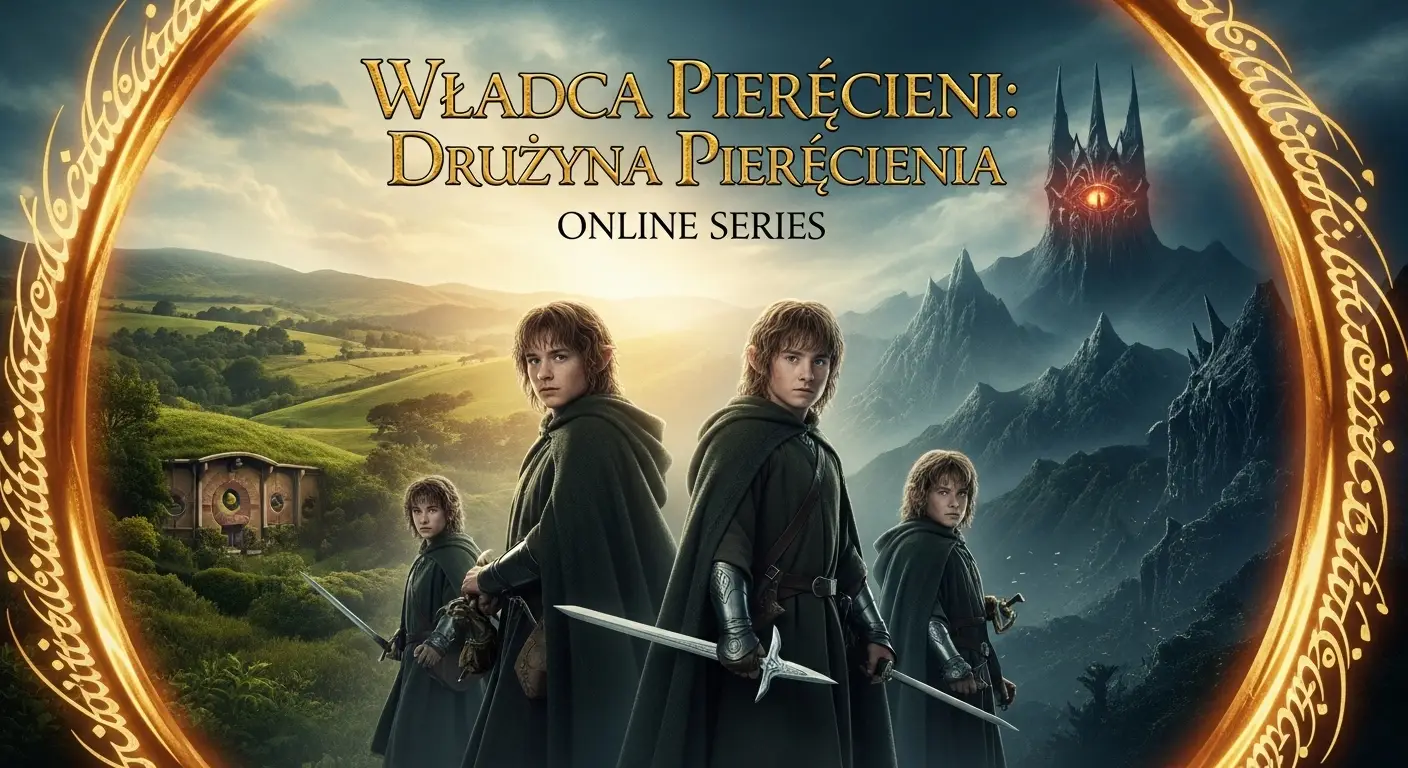
To keep things easy while you read or watch, I use a table with the nine companions, their origin, one defining trait, and their key gear in the adaptation. If you need a fast memory refresh, start here.
| Member | Race | Realm/Origin | Actor (film) | Defining trait | Weapon / Artifact |
| Frodo Baggins | Hobbit | The Shire (Buckland link via family) | Elijah Wood | Reluctant courage; Ring‑bearer | The One Ring; Sting; mithril coat |
| Samwise Gamgee | Hobbit | The Shire (Hobbiton) | Sean Astin | Loyalty; practical sense | Cooking gear; rope; Sting when needed |
| Meriadoc “Merry” Brandybuck | Hobbit | The Shire (Brandy Hall) | Dominic Monaghan | Wit; quick learner | Daggers from the Barrow‑downs |
| Peregrin “Pippin” Took | Hobbit | The Shire (Tuckborough) | Billy Boyd | Curiosity; heart | Dagger; later the Gondor livery |
| Gandalf the Grey | Maia (wizard) | Valinor origins; long in Middle‑earth | Ian McKellen | Wisdom; counsel | Glamdring; staff; fireworks lore |
| Aragorn (Strider), son of Arathorn | Man (Dúnedain) | Eriador; heir of Isildur | Viggo Mortensen | Leadership; ranger skills | Andúril (reforged Narsil); healing herbs |
| Legolas Greenleaf | Elf (Sindar) | Woodland Realm of Thranduil | Orlando Bloom | Precision; keen senses | Bow of the Galadhrim; long knives |
| Gimli, son of Glóin | Dwarf | Erebor line; Lonely Mountain heritage | John Rhys‑Davies | Pride; endurance | Axes; Dwarven mail |
| Boromir, son of Denethor II | Man (Gondor) | Minas Tirith | Sean Bean | Valor; temptation by the Ring | Horn of Gondor; sword |
How the journey is structured (and how I keep it straight)
I think in stages. Breaking the route into segments helps me follow the action and remember who joins or leaves where. Below I show each step with what to watch for and which themes rise to the surface.
From the Shire to Bree: small beginnings, large shadows
- Bag End to Green Dragon Inn: The tone is homely—birthday candles, laughter, pipe‑weed—but Gandalf privately confirms that the trinket in Bilbo’s keeping is the Master Ring. I remind myself that the calm opening is there to make later threats feel heavier.
- Hobbiton to the Old Forest: Frodo, Sam, Merry, and Pippin slip away as Black Riders hunt the trail. I mark this as the first time the Ring draws predators out in the open.
- Bree and the Prancing Pony: We meet Strider. His quiet authority is a contrast to the tavern’s bustle. It’s the moment where the story leaves comfort for the wider world.
Reading tip: When names start piling up, I pair each place with a single sensory cue. Bree smells like ale and rain; the Old Forest is damp roots and anxious trees. Those simple cues anchor the nouns.
Weathertop to Rivendell: wounds, healing, and a choice to stand together
- Amon Sûl (Weathertop): A moonlit attack by Ringwraiths leaves Frodo wounded by a Morgul blade. The poison doesn’t just hurt—it threatens to make the victim a wraith. This shows the moral risk of proximity to the Ring.
- Ford of Bruinen: Arwen (film) or Glorfindel (book) aids the flight. The Bruinen floods sweep the Nine away. I file this as the first major rescue by Elven power.
- Rivendell and the Council of Elrond: Debates draw in Elrond, Gandalf, Boromir, Legolas, Gimli, and Aragorn. We hear about Isildur, Gondor, Moria, Lórien, and the stakes if the Ring survives. The choice to form a Fellowship is less about martial power and more about balance—each race carries a piece of the world’s future.
How I keep the Council clear:
- I note three proposals: use the Ring (Boromir), hide the Ring (wishful), or destroy it (the hard path).
- I underline two key warnings: Saruman’s treachery and the Palantíri risk.
The Misty Mountains and Moria: when ancient pride meets present danger
- Caradhras: Snow blocks the pass. The world itself seems to resist the Fellowship’s plan. This is one of those moments where I remember that nature in this world can side with or against travelers.
- Doors of Durin to Khazad‑dûm: The password (“mellon”) is Sindarin for friend. The empty halls aren’t empty for long—orcs, a cave troll, and finally the Balrog.
- Gandalf’s fall: “You cannot pass!” has gravity because it mixes sacrifice with authority. I mark this loss as the point where Aragorn must step forward without his mentor.
Practical reading move: If the names feel heavy, I note that Moria is the dead city of the Dwarves; that alone carries the mood—echoing stone, lost kin, old greed for mithril.
Lothlórien and the gifts: healing light and quiet foresight
- Galadriel and Celeborn receive the weary group. The mirror scene shows temptation without shouting. Sam glimpses the Shire in peril; Frodo sees the Eye. These visions make the costs personal.
- Gifts matter. Phial of Galadriel (light of Eärendil’s star), Elven cloaks, lembas, rope, and a bow for Legolas.
Why gifts matter to me: When the story later puts the characters in tight corners—Shelob’s Lair, for instance—the seeds planted here pay off. It teaches me as a reader to treat quiet scenes as practical moments, not just mood.
Anduin to Parth Galen: strength tested, unity strained
- The Argonath statues stand like a checkpoint before the south. Boromir struggles with the Ring’s pull, a very human response to a promise of quick victory for Gondor.
- Amon Hen: The party splits. Boromir dies defending the hobbits. Aragorn accepts his path. Frodo decides to continue with Sam. This is less a failure and more a reconfiguration: hunters (Aragorn, Legolas, Gimli) turn to rescue, while the Ring‑bearers slip toward the Emyn Muil.
What I focus on in this turning point:
- Grief is shown through action—tenderness in setting Boromir’s body to the river; resolve in tracking Uruk‑hai.
- Choice is the center. The Ring doesn’t swing swords; it whispers shortcuts. The refusal of shortcuts is heroism in this story.
Characters in depth: how I read them without getting overwhelmed

I treat every major figure as a triangle of role, flaw, and growth. That method keeps even the largest cast manageable.
Frodo Baggins: role, flaw, growth
- Role: Bearer of the Ruling Ring, moral center of the quest.
- Flaw: Vulnerability to despair and the Ring’s whispers.
- Growth: From a quiet life at Bag End to a person who accepts burden and limits. The mithril shirt and Sting aren’t symbols of power so much as reminders of protection and alertness.
Samwise Gamgee: role, flaw, growth
- Role: Gardener turned guardian; anchor of loyalty.
- Flaw: Self‑doubt about rank and worth.
- Growth: Practical courage—tying rope, making meals, watching water levels—is treated as equal to swordplay. That’s rare in fantasy and refreshing here.
Aragorn (Strider): role, flaw, growth
- Role: Heir to Isildur, ranger of the Dúnedain, healer by knowledge of athelas.
- Flaw: Reluctance to claim authority before it is earned.
- Growth: Steps from guide in the wilds to leader among kingdoms. The reforging of Narsil into Andúril is both literal and symbolic: a broken past welded into usable purpose.
Gandalf the Grey: role, flaw, growth
- Role: Messenger of the Valar, friend of Elrond and Galadriel, enemy of Sauron and Saruman.
- Flaw: Affection for hobbits sometimes makes him underestimate their appetite for risk.
- Growth: His stand at the Bridge of Khazad‑dûm is a limit accepted for a larger good. Later, in the wider saga, he returns changed; here, his fall forces others to mature.
Boromir of Gondor: role, flaw, growth
- Role: Captain from Minas Tirith, voice of Gondor’s need.
- Flaw: Belief that strength must look like a sword in the hand and a city’s banner in the wind.
- Growth: His final defense of the hobbits is a confession in action. It reframes him from would‑be usurper to a man who remembers his oath.
Legolas and Gimli: how a feud becomes friendship
- Role: Old grievances between Elves and Dwarves are baked into the lore—Doriath, Thingol, the Silmaril tale—but in this story, quick cooperation becomes habit.
- Flaw: Pride, measured on both sides, sometimes turns to one‑upmanship.
- Growth: Counting foes at Helm’s Deep (later) grows from playful rivalry established here. The seeds are planted in Lórien, when Gimli speaks respectfully of Galadriel.
Languages and names: simple handles that helped me
Tolkien taught at Oxford and designed entire tongues. I don’t try to memorize grammar. Instead, I use a few cheats that keep the flavor without the overwhelm.
- Quenya tends to feel older; Sindarin is the common Elven tongue. When I see names ending in ‑iel (Galadriel, Arwen Undómiel), I mark them as Elven women.
- Khazad‑dûm is in the Dwarvish register; Moria is the Sindarin label for the same place.
- Sauron, Saruman: I separate them by vowel sound. The one with o is the ancient enemy; the one with a is the wizard who broke faith.
Mnemonic bullets I actually use:
- Rivendell = rest and research.
- Moria = stone and echo.
- Lórien = gold light and advice.
- Amon Hen = watchful hill and hard choices.
The Ring as technology and temptation: a plain‑language take
I often explain the One Ring to new readers with a daily‑life parallel. Think of any tool that promises speed—an app that could inflate your numbers at work, a scheme that could boost quarterly results without real value. It works, and that’s the trap. Like the Ring, the tool bends the user while delivering results. People around you may praise the gains, but your judgment warps. That’s what we watch with Boromir and, in gentler ways, with nearly everyone who handles the gold band.
What the Ring actually does in the story:
- It turns the wearer invisible in the Seen World and visible in the Unseen, drawing Nazgûl.
- It amplifies will, but at a price, aligning the user’s aims with Sauron over time.
- It corrupts patience. The promise of a shortcut to victory is its strongest lure.
Book‑to‑film: how the adaptation works (and what I pay attention to)
Tolkien’s prose likes songs, lore drops, and steady travel. The film speeds the pace without losing core beats. When I compare them, I track three areas: structure, tone, and character emphasis.
- Structure: The film compresses or moves scenes (e.g., Arwen takes a role closer to Glorfindel in the chase). It’s not a deletion of lore but a redistribution so the screen story stays focused.
- Tone: Jackson keeps the warmth of the Shire and the dread of Moria. Howard Shore’s score ties locations to motifs—Shire’s penny whistle, the Dwarven drumline under the mountain, the sweeping Gondor brass heard later.
- Character emphasis: The film gives Arwen more screen presence early, which helps newcomers link names with faces.
Quick pointers if you’re watching for the first time:
- Keep subtitles on for place‑names; it’s a small trick that improves recall.
- Pause at the Council of Elrond and re‑state the mission in your own words. It takes thirty seconds and pays off for the next two hours.
- Treat Lórien not as a detour but as a supply and counsel stop. You’ll spot the gifts again later.
Geography you actually need to remember (without memorizing every map)
The map of Eriador and Rhovanion can crowd the page. I reduce it to a spine and ribs—one main north‑to‑south flow with east‑west branches.
- Spine: Shire → Bree → Rivendell → Caradhras/Moria → Lórien → Anduin → Amon Hen.
- Ribs out: Westward back to safety (not taken), eastward toward Mordor (next volume), southward toward Rohan and Gondor (companions who pursue the captors).
Physical cues that help me track scenes:
- Water shifts: Those Anduin boats signal a faster pace and the need for sharper decisions.
- Elevation changes: Passes (high) demand endurance; river travel (low) invites ambush from banks.
Themes that carry the weight (stated plainly)
When I teach this book to friends, I stick to four themes because they show up in scene after scene and speak to regular life.
- Ordinary virtue: A gardener’s rope, a hot meal, a willingness to keep watch—these small acts defeat despair.
- Right use of power: Elrond and Galadriel both refrain from taking the Ring, although either could seize it and claim “good reasons.” That restraint is a lesson in itself.
- Limits and grief: Gandalf’s fall is not undone here. The story honors cost; it doesn’t erase it for convenience.
- Hope that plans: The Fellowship doesn’t rely on mood. They plan routes, send scouts, and adapt. Hope, in this world, acts.
Frequently asked questions I hear (and how I answer them fast)
Do I need to read The Hobbit first?
No. It adds charm and backstory (Bilbo, Gollum, the riddle game), but the first movie and volume give enough context to stand on their own. If you crave more on Smaug, Thorin, and the Lonely Mountain, circle back later.
Is the longer cut worth it?
If you like world‑building, yes. The Extended Edition restores character beats and quiet scenes. I still recommend starting with the theatrical cut if you’re new, then returning for extra detail.
Is the story violent?
Battles appear—Moria, Amon Hen—but the focus stays on choice and friendship rather than gore. Teen viewers handle it fine in most homes, though parents may want to preview the cave troll and Balrog sequences.
Will the names and terms confuse me?
They can at first. My fix is to keep a tiny set of anchors: Shire, Rivendell, Moria, Lórien, Amon Hen. Add more only when you need them. The rest falls into place.
Little details readers like to spot (fun, but also useful)
- Mithril isn’t just shiny mail; it’s a plot‑saver and a symbol of Dwarven craft and the risk of greed.
- Athelas (kingsfoil) matters because it hints at Aragorn’s healing gifts, tied to the line of Elendil.
- Palantír stones appear later, but knowing they exist explains Saruman’s twisted counsel.
- The Argonath statues signal the Dúnedain legacy long before crowns show up.
How I recommend reading or watching for the first time
Here’s a short routine that removes friction and adds enjoyment.
- Read a one‑page plot summary first so you go in with bearings.
- Watch the film with subtitles and a notepad for five names you don’t want to forget.
- If you’re reading, give yourself two or three evenings for Book I (through Rivendell), then two evenings for Book II (to Amon Hen). Stopping at natural rest points keeps morale high.
- Share the experience with a friend. Saying “the part in the mines wrecked me” out loud lodges the memory.
Contextual terms and entities I weave through this guide
To keep the vocabulary aligned with the world, I use and reuse the following set during explanations:
- People and peoples: Hobbits, Dúnedain, Gondorians, Rohirrim (appearing soon), Sindar, Noldor, Dwarves, Ents (later), Nazgûl.
- Places: Bag End, Hobbiton, Bree, Weathertop, Rivendell, Moria/Khazad‑dûm, Lothlórien, Anduin, Parth Galen, Amon Hen.
- Objects: One Ring, Sting, Andúril, Glamdring, mithril, lembas, Phial of Galadriel, Horn of Gondor, Palantír.
- Concepts: Third Age, Ring‑corruption, temptation, fellowship, sacrifice, long memory of Elves, stewardship of Men.
A simple timeline for orientation
I don’t list every date; I place pins at moments that keep me oriented.
- Shire: Bilbo’s eleventy‑first birthday; Frodo inherits; Gandalf confirms the Ring’s nature.
- Bree: Meeting Strider; flight from Nazgûl.
- Rivendell: Healing; Council of Elrond; oath of nine walkers.
- Moria: Entry under the moon; tomb of Balin; fight at the bridge.
- Lórien: Rest; mirror; gifts.
- Anduin: Boats; debate over routes; Amon Hen attack; breaking of the Fellowship.
Real‑world production facts I keep on hand (because people ask)
- Shot across New Zealand’s mountains and forests; many sites now draw visitors for walking tours.
- Howard Shore’s music uses recurring motifs to mark realms—these help first‑time viewers tell where they are without reading a map.
- Reception: Widespread praise for practical effects blended with digital work. The film’s award tally established confidence for fantasy cinema beyond one‑off cult pieces.
Using this story in everyday life (practical, not preachy)
I don’t treat the book like a manual, but I do borrow a few habits from it:
- When work feels vast, I look for the small next thing (Sam’s rope, Frodo’s step).
- I measure shortcuts by their long costs (that’s the Ring test in office terms).
- I pair strengths across difference—your Gimli and my Legolas can both be right and still learn from each other.
Common mistakes new readers make (and how I help you avoid them)
- Skipping the Council of Elrond: It’s long, but it’s the mission briefing. I suggest reading it once slowly and, if needed, skimming later for names.
- Treating Lórien as filler: It’s a prep station; later chapters cash those checks.
- Expecting Gandalf to fix everything: The point is growth through absence. When he falls, leadership shifts to the rest.
Key quotes and why they stick (kept short, explained plainly)
- “All we have to decide is what to do with the time that is given us.” I like it because it narrows the field of control to something any person can handle.
- “I will take the Ring, though I do not know the way.” That is commitment before a plan—rare and, in the story, necessary.
If you want to go deeper later (books, appendices, and languages)
- Appendices in the third volume expand family trees, calendars, and histories. Skim them for flavor; don’t feel bound to memorize.
- The Silmarillion gives the older wars and the making of jewels that haunt Elven memory. Many readers save it for later, and that’s fine.
- Language primers exist, but you can enjoy the novels without them. Treat Elvish lines like poetry—sound and mood first.
Micro‑guide for parents or teachers introducing the story
- Start with the film’s first half to anchor names and faces; finish the rest the next day.
- Pause after Moria to talk about loss and courage in age‑appropriate terms.
- Use a printed map and place stickers at each major stop; kids love the ritual and it cements recall.
Simple glossary (short, useful, not exhaustive)
- Dúnedain: Men of the West, long‑lived; Aragorn’s people.
- Nazgûl: Nine kings bent by Rings of Power; wraiths serving Sauron.
- Lembas: Waybread of the Eldar; one bite equals a meal.
- Mithril: Rare metal from Khazad‑dûm; light, strong, prized.
- Valar: Powers of the world; Gandalf serves their aim without ruling by force.
Final tips for enjoying the ride
- Keep your focus on the company rather than every proper noun.
- Treat maps as aids, not tests.
- Let the quiet scenes work on you; that’s where later rescue is prepared.
Conclusion
I set out to make a practical, human guide you can read before you open the book or hit play on the film. You now know what the title points to, who sits in the Fellowship, how the route unfolds, and why the themes still land for modern audiences. You carry a quick table for reference, a handful of cues to fix names in memory, and a plain‑speech way to talk about the Ring that doesn’t require a degree in myth.
Whether you’re new to Middle‑earth or returning after years away, the first chapter of this saga meets you with ordinary courage, patient friendship, and a path that rewards clear choices. Take the next step when you’re ready and let the story do its work—quietly, steadily, scene by scene.
Source: https://megapersonals.co.com/