As someone who has worked around school data systems and seen the challenges they bring, I understand how confusing national-level portals can feel. Many teachers want to stay focused on teaching, school heads want clean reports without chasing paperwork, and parents simply hope their children’s school stays on track. When people hear the name UDISE+, they often imagine a complicated government database. In reality, it plays a far more practical role in helping schools organise information, track progress and maintain transparency.
The term UDISE+ stands for Unified District Information System for Education Plus. It is a digital data platform used in India for collecting detailed information from schools of all types. What makes it different from the older, paper-driven systems is its fully online design. Instead of relying on separate formats across states or districts, everything is now structured in one place. It pulls together student details, teaching staff information, attendance, infrastructure, enrolment numbers and many other data points that support planning and monitoring.
I want to take you through everything in a way that helps you understand why the system was created, how schools use it, what teachers need to update, how students are connected to the platform and the role administrators play in keeping records accurate. Whether you work in a rural school with limited digital access or a well-equipped institution in a large city, the essentials remain the same. My aim is to help you feel more confident about using this platform or understanding it when someone mentions it in meetings.
Why UDISE+ Was Created
Every country with a large school network needs a way to organise data. Without a structured system, numbers from different states might not match. During earlier years, many schools struggled with long manual forms, duplicate reporting, inconsistent formats and delays in submitting information. The older UDISE model worked but had limitations. Paper-based reporting made it difficult to capture real-time changes, and staff often had to wait for district officials to compile everything.
When the Ministry of Education introduced the upgraded digital model, the goal was simple: create a single national platform where all schools could update their information in a consistent manner. Instead of handling yearly updates through handwritten records or spreadsheets, schools began entering information directly into an online system.
This change allowed policymakers to receive cleaner data, identify gaps in infrastructure, and plan budgets more efficiently. States could compare their progress, and district education officers could detect issues faster. Most importantly, schools finally had a structured way to track their progress year after year without rewriting documents from scratch.
How UDISE+ Works for Different Users
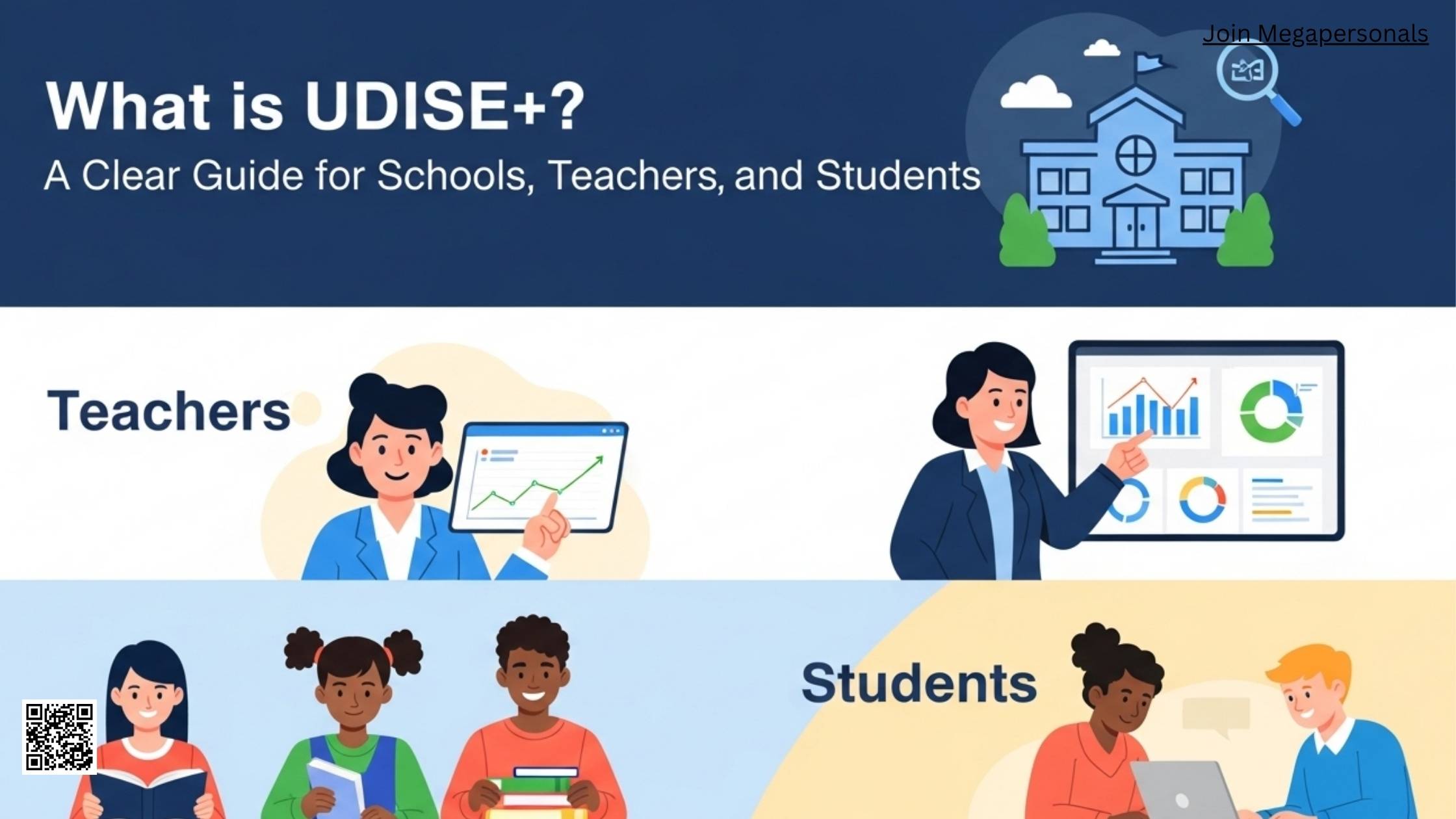
Even though the name may sound technical, the platform is designed for real everyday users. A school principal uses it differently from a teacher, and a student interacts with it differently from a district official. Understanding these roles helps clarify what each person contributes.
School Administrators
A school head or administrator often manages the main profile. They handle the annual data entry cycle, keep information updated, verify staff lists and check student population numbers. Their responsibilities include:
• Ensuring accurate enrolment numbers for each grade
• Updating details about staff positions, training status and vacancies
• Recording information about classroom facilities
• Reviewing student transfers or dropout patterns
• Maintaining the school’s digital profile throughout the year
For example, if a school receives new classroom furniture or gets a renovated building block, the administrator updates the infrastructure section. This makes the school’s profile more accurate when the district officer reviews it.
Teachers
Teachers use the platform to update student-related information and maintain classroom-level records. Their inputs help track learning patterns, attendance, subject strengths and academic performance. Teachers may need to update:
• Class-wise enrolment
• Attendance records
• Assessment updates
• Student transfers
• Special category students such as children with disabilities
Imagine a teacher managing a class of 45 students. If five new students join mid-term, the updates must reflect these changes. This small action ensures the school’s final reports show correct numbers.
Students and Parents
While students do not enter data directly, their records form the core of the platform. Details like name, age, caste category, disability status, scholarships and exam performance help schools plan support systems. Parents benefit because a well-maintained school profile means better resource allocation, safer learning environments and stronger monitoring.
District and State Officials
These officers verify school submissions, check for errors and coordinate training. They analyse data to identify issues such as:
• Teacher shortages in certain districts
• Low enrolment trends
• High dropout rates
• Outdated school buildings
• Missing academic facilities
A district with low science lab availability, for example, can highlight this issue and push for improvements once the data becomes visible.
Key Features of the UDISE+ Platform
The system combines several modules designed to cover every part of a school’s functioning. These modules help maintain consistency and reduce manual paperwork.
School Profile Module
This is the main section every school must update. It includes:
• School location
• Management type (government, private, aided, KGBV, etc.)
• Medium of instruction
• Special facilities
• Electricity and sanitation availability
• Number of classrooms
• ICT facilities
A school in a remote village and a school in a metropolitan city both complete similar fields, allowing comparisons across regions.
Staff Information Module
This module keeps detailed records of:
• Teaching and non-teaching staff
• Qualifications
• Training history
• Appointments and transfers
• Retirement timelines
If a teacher attends a training workshop, the update goes into this module, helping the state track professional development.
Student Module
This section holds the most data. Schools add:
• Name, age and gender
• Social category
• Language preferences
• Disabilities
• Exam results
• Attendance records
• Mid-day meal eligibility (for government schools)
For example, when students migrate from one state to another, the new school can update their profiles without rewriting everything.
Infrastructure Module
The system monitors:
• Classroom counts
• Labs
• Libraries
• Sports facilities
• Drinking water access
• Toilets (boys, girls, teachers)
• Internet connectivity
A lack of facilities in any school becomes clear through this module.
Real-Time Data Updates
Earlier systems worked only on annual cycles. The upgraded system allows frequent updates, reducing mistakes caused by last-minute compilation.
Benefits for Schools, Teachers and Students
The most important advantage of this platform is access to structured information. Everyone involved in school education benefits in practical ways.
For Schools
• Better planning for infrastructure upgrades
• Easier academic monitoring
• Clear record of staffing patterns
• Transparency for inspections
• Smooth communication with district offices
For Teachers
• Less paperwork
• Easy classroom records
• Consistent data formats
• Clear student profiles
• Support in planning assessments
For Students
• Accurate academic records
• Better chances of receiving scholarships
• Improved school facilities
• More consistent progress monitoring
• Reduced documentation errors during transfers
Real-Life Examples of How UDISE+ Helps
To make this clearer, here are a few realistic situations I’ve seen:
A School in a Small Town
A government school in a small town had only one functional toilet block. Using the platform, they updated their infrastructure shortage. This data reached the district office during the annual review. Within a year, the school received funding for repairs and new facilities because the shortage was recorded properly.
A Teacher Managing Multiple Classes
A teacher in a semi-rural area taught three grades. Instead of keeping separate notebooks for attendance, the school began uploading attendance into the platform gradually. When one student stopped coming due to family issues, the dropout risk became visible earlier. The teacher reported it and the school worked with the parents, helping the student return.
A Student Migrating Across States
When a student moved from Madhya Pradesh to Maharashtra, the new school used the existing profile details to complete their enrolment quickly. Earlier, parents would carry physical report cards and certificates that sometimes got lost. Now, migration becomes easier when data is organised digitally.
Understanding the Annual Data Cycle
The reporting cycle usually follows the academic year. Schools must update information within a set timeframe. This includes student enrolment, staff data, building details and resource availability. District officials review the entries, return forms for corrections where needed and finalise them for state-level consolidation.
The annual cycle ensures:
• Updated records for policy decisions
• Accurate school report cards
• Clear progress tracking
• Identification of resource shortages
State-Wise Variations and Local Requirements
Although the platform is national, states may add extra fields. For instance:
• Some states track local scholarship schemes
• Others add mother tongue information
• A few states monitor specific facilities like smart classrooms
This flexibility ensures both national and local needs are met.
Learn about IFHRMS Login & Payslip
Challenges Faced by Schools
Even a well-built digital platform can bring challenges. Some common issues include:
Limited Internet Access
Schools in remote areas may struggle to upload data on time. Many districts now set up data entry camps to help.
Training Gaps
Not all staff are confident using digital tools. States organise training sessions, but ongoing support is still needed.
Data Accuracy
Small mistakes in names, dates or categories can cause inconsistencies. Schools must check entries carefully before submission.
Tips for Schools to Maintain Accurate Data
• Update records throughout the year instead of waiting until the deadline
• Assign clear responsibilities to staff members
• Cross-verify entries with existing documents
• Avoid duplicating student profiles
• Review staff details regularly
• Maintain a separate logbook for offline notes before uploading
How UDISE+ Supports National Planning
Beyond individual schools, the collected information shapes educational planning across the country. Government departments use the data to:
• Allocate budgets
• Monitor literacy rates
• Track expansion of schools
• Improve teacher training programs
• Identify districts that need urgent support
For example, if a district shows declining enrolment in upper primary grades, authorities can investigate causes such as migration, early dropouts or lack of transportation.
Table: What Each User Group Gains
Below is a simple overview of what different users gain from the platform.
| User Group | What They Gain | Why It Matters |
| Schools | Clear data, improved planning | Helps identify infrastructure needs |
| Teachers | Organised student records | Supports classroom teaching |
| Students | Accurate profiles | Smooth transfers and scholarship eligibility |
| Parents | Better monitoring | Encourages accountability |
| Officials | Reliable analytics | Supports district and state planning |
The Growing Importance of Digital School Records
Education systems everywhere are moving toward digital record-keeping. India’s shift to unified digital platforms helps avoid regional disparities. Schools once struggled with incomplete files, mismatched numbers and outdated reports. With the newer system, everything stays connected. The long-term impact includes:
• Better tracking of learning outcomes
• More targeted teacher recruitment
• Improved infrastructure planning
• Faster response to emergencies
• Reduced paperwork
Preparing Schools for the Future
As digital adoption increases, schools will eventually integrate more automated attendance systems, online assessments and improved teaching resources. A structured data backbone makes these developments easier.
If schools maintain consistent records now, future upgrades such as biometric attendance, centralised dashboards and national student IDs can connect smoothly without additional paperwork.
Final Thoughts
Understanding UDISE+ becomes easier once you see how each part fits into everyday school functioning. Schools get a clearer picture of their strengths and gaps. Teachers keep better track of student progress without juggling notebooks. Students gain accurate records that follow them as they move from one level to another. Parents benefit from a school system that documents its commitments responsibly. Districts and states receive reliable information that helps them support areas that need attention.
My intention here has been to simplify a system that often feels complicated from the outside. Once you understand the structure, the platform becomes a helpful tool rather than a burden. With consistent use, schools can maintain cleaner records, support better planning and ensure that every learner receives the environment they deserve.
MoviesDrive Website: Easy Steps to Download Movies Safely
Frequently Asked Questions
What documents do schools need before starting their annual data entry?
Schools usually need updated enrolment registers, staff attendance books, infrastructure records, previous year’s data sheets, and class-wise student lists. Having these documents ready makes the entry process smoother and helps avoid mismatches later during verification.
Can schools update information after submitting the final report?
Once the annual cycle closes, schools cannot make changes on their own. They must request the district office to reopen specific sections. This is why cross-checking all entries before final submission is important.
How long does it take for new schools to receive a UDISE code?
Newly established schools receive their code after district-level verification. The time varies by region, but it generally takes a few weeks. Schools must provide accurate location details and management information to speed up the process.
Does the platform support multiple languages for easier data entry?
Yes, many states provide language options within their login modules. The aim is to help staff who are more comfortable working in their regional language. Availability may differ depending on the state’s customised version.
What happens if a school has no internet facility for data entry?
Schools without stable connectivity can complete data entry offline first and later upload details from a district resource centre or training hub. Many districts set up temporary data entry points during the reporting season to help schools facing connectivity issues.