
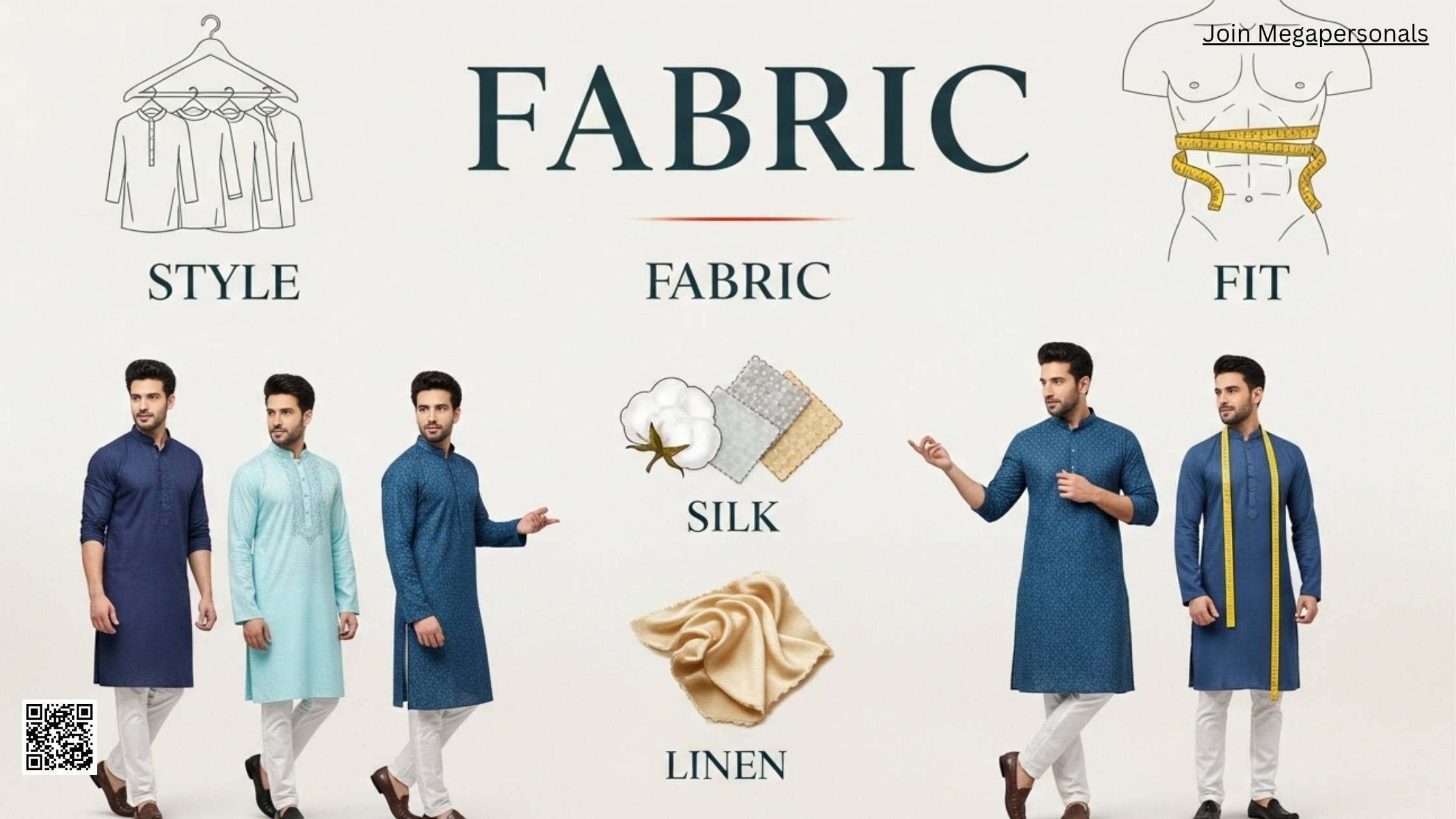
When it comes to traditional yet stylish menswear, a kurta is a versatile garment that fits a wide range of occasions. Whether attending a wedding, a festive gathering, or a casual outing, picking the right kurta can enhance your overall appearance. I often find that many men struggle to decide on style, fabric, and fit, which can make or break the look. In this guide, I will walk you through everything you need to consider, so choosing the perfect kurta becomes simple and enjoyable.
Understanding the Men’s Kurta
A kurta is a long tunic worn primarily in South Asia. It is typically knee-length and can have full sleeves, half sleeves, or even sleeveless designs. Traditionally made from cotton or silk, modern kurtas now come in a wide array of fabrics and patterns. The kurta serves both as casual daily wear and formal attire depending on styling, fabric choice, and accompanying garments such as churidar, pajamas, or jeans.
Choosing the Right Style
Selecting a kurta style is about balancing personal taste with the event’s formality. Styles can vary based on collar types, sleeve lengths, and cuts.
Collar Variations
Collars define the kurta’s overall appeal. Here are the most common types:
- Mandarin Collar: Sleek and modern, often used in semi-formal settings.
- Band Collar: Offers a minimalistic, understated elegance.
- Shirt Collar: Resembles formal shirt collars and is suitable for office or casual wear.
- Round Neck: Simple and comfortable, perfect for everyday use.
Sleeve Options
Sleeve length can influence comfort and the kurta’s appropriateness for different occasions:
- Full sleeves are traditional and formal.
- Three-quarter sleeves provide a relaxed yet polished look.
- Short sleeves are casual and best suited for hot climates or informal gatherings.
Cut and Silhouette
The kurta’s cut affects mobility and style:
- Straight Cut: Classic and universally flattering.
- A-line: Slightly flared at the bottom, ideal for comfort and festive events.
- Slim Fit: Modern and tailored, perfect for younger men or formal events.
Selecting the Ideal Fabric
Fabric choice impacts both comfort and style. Here’s how to make an informed decision:
Cotton
Cotton kurtas are breathable and lightweight, making them perfect for summer wear or daily use. They come in plain colors, prints, or embroidered designs.
Silk
Silk offers a luxurious feel and shines elegantly under light. Ideal for weddings or religious ceremonies, silk kurtas often include delicate embroidery or patterns.
Linen
Linen is highly breathable and gives a relaxed, earthy appeal. It wrinkles easily, so it works best for casual gatherings rather than formal events.
Blended Fabrics
Blends like cotton-silk or cotton-linen combine comfort and sheen, providing versatility for semi-formal occasions.
Seasonal Considerations
- Light fabrics like cotton or linen are ideal for warmer months.
- Heavier fabrics like silk, wool blends, or velvet work best in winter or festive seasons.
Determining the Right Fit
A kurta should feel comfortable while complementing your body shape. Poor fit can undermine even the most expensive fabric.
Shoulder and Chest
The shoulder seam should align with your natural shoulder line. A too-tight chest restricts movement, while an oversized chest can appear sloppy.
Length
- For traditional looks, the kurta should reach just above the knees.
- Casual kurtas can be slightly shorter, hitting mid-thigh.
Sleeve Length
- Sleeves should reach the wrist bone for full-length styles.
- Three-quarter sleeves should end just below the elbow.
Ease of Movement
Always test walking, sitting, and bending. Comfortable kurtas allow full range of motion without appearing loose or baggy.
Learn about Baji Live 999
Colors and Patterns
Color selection often depends on occasion, skin tone, and personal preference. Here’s a breakdown:
- Light Colors: White, cream, or pastels are ideal for daytime events.
- Bold Colors: Navy, maroon, or emerald enhance evening wear or festive occasions.
- Patterns: Subtle stripes, checks, or embroidery add interest without overpowering the garment.
Pairing with Bottoms
Kurtas can be styled with various types of bottoms:
- Churidar: Tapered and snug, giving a formal traditional look.
- Pajamas: Loose and comfortable, ideal for casual wear.
- Jeans or Trousers: Offers a fusion style combining western and traditional elements.
- Dhoti: Classic Indian style for religious ceremonies or weddings.
Footwear Choices
Footwear can elevate your kurta look:
- Mojaris or Juttis: Perfect for traditional events.
- Loafers: Blend well with semi-formal kurtas.
- Sandals: Casual option for daily wear or relaxed gatherings.
Accessorizing the Kurta
Accessories can enhance a kurta ensemble:
- Scarves or Stoles: Adds sophistication to festive outfits.
- Watches: A classic watch complements the minimalist kurta styles.
- Cufflinks: Suitable for formal kurtas with French cuffs.
- Belts or Waistcoats: Can create a structured, tailored appearance.
Maintenance and Care Tips
Proper care extends the life of your kurta:
- Wash delicate fabrics like silk by hand or use a gentle machine cycle.
- Store cotton kurtas folded neatly to prevent creases.
- Iron linen kurtas on medium heat to reduce wrinkles.
- Avoid harsh detergents for embroidered or embellished kurtas.
Real-Life Examples
- At a wedding, I paired a maroon silk kurta with a gold embroidered collar with cream churidar and traditional juttis. The combination was elegant and drew compliments for its festive appeal.
- For a casual outing in summer, a light blue cotton kurta with beige linen pants felt airy and comfortable, while still looking presentable.
Buying Tips and Common Mistakes
When shopping for kurtas, consider these points:
- Avoid buying without trying; fabric drape and fit vary by brand.
- Do not ignore sleeve length; short sleeves on a formal occasion may look inappropriate.
- Check stitching quality, especially in embroidered designs, to avoid fraying.
- Pay attention to shoulder alignment and chest fit; comfort should never be sacrificed for style alone.
Quick Reference Table
| Kurta Element | Recommendation | Occasion |
| Collar | Mandarin or band | Semi-formal and festive |
| Fabric | Silk or cotton-silk blend | Weddings, religious events |
| Length | Knee-length | Traditional events |
| Bottoms | Churidar or jeans | Formal or casual |
| Color | Bold colors or pastels | Evening or daytime |
| Accessories | Stole, watch, juttis | Complementary styling |
Trends and Modern Adaptations
Modern menswear brands have introduced kurtas with unique elements:
- Fusion kurtas combining western tailoring and traditional fabrics.
- Minimalist kurtas with subtle embroidery and neutral colors.
- Custom-made kurtas designed for body shape and comfort.
These options allow men to adapt traditional wear to contemporary lifestyles, ensuring comfort and style go hand in hand.
Final Thoughts
Choosing the right kurta involves understanding style, fabric, and fit. It is important to consider the occasion, climate, and personal comfort. By paying attention to collars, sleeves, lengths, and complementary bottoms, you can create a look that feels authentic and stylish. Accessories and careful pairing with footwear enhance the overall outfit.
Whether attending a festive event, casual gathering, or formal celebration, the right kurta elevates your presence while remaining comfortable and practical. A thoughtfully selected kurta ensures confidence, style, and cultural elegance, making it an essential wardrobe piece for any modern man.
Chennai Super Kings vs Rajasthan Royals Timeline | Full IPL
Frequently Asked Questions
How do I know my correct kurta size if shopping online
When buying a kurta online, always refer to the brand’s sizing chart and take accurate measurements of your chest, shoulders, and waist. Reading customer reviews can also help identify if the kurta runs small or large. Some online stores offer custom sizing, which is ideal for a perfect fit.
Can I wear a kurta to a corporate office
Yes, kurtas can be adapted for office wear, especially when paired with tailored trousers or chinos. Stick to solid colors or subtle patterns and avoid heavily embroidered or flashy designs to maintain a professional appearance. Pairing with formal shoes completes the look.
What is the best way to store silk and embroidered kurtas
Silk and heavily embroidered kurtas should be stored in garment bags to protect them from dust and humidity. Avoid hanging them on thin hangers that can distort the fabric; padded hangers work best. Ensure they are kept in a cool, dry place to prevent color fading or damage.
Can I wear a kurta casually with jeans
Absolutely. Pairing a simple cotton or linen kurta with jeans creates a modern, casual look. Roll up the sleeves and choose neutral colors for a relaxed style suitable for informal gatherings, cafes, or daytime outings. Footwear like loafers or sandals complements this look well.
How often should I dry clean my kurtas
The frequency of dry cleaning depends on the fabric and use. Silk and heavily embroidered kurtas should be dry cleaned after every few wears to maintain texture and color. Cotton kurtas used for casual purposes can