In any production environment, consistency is king. Whether you’re building automotive frames, aerospace components, or industrial enclosures, a single misalignment can derail quality and efficiency. That’s where a welding fixture becomes indispensable.
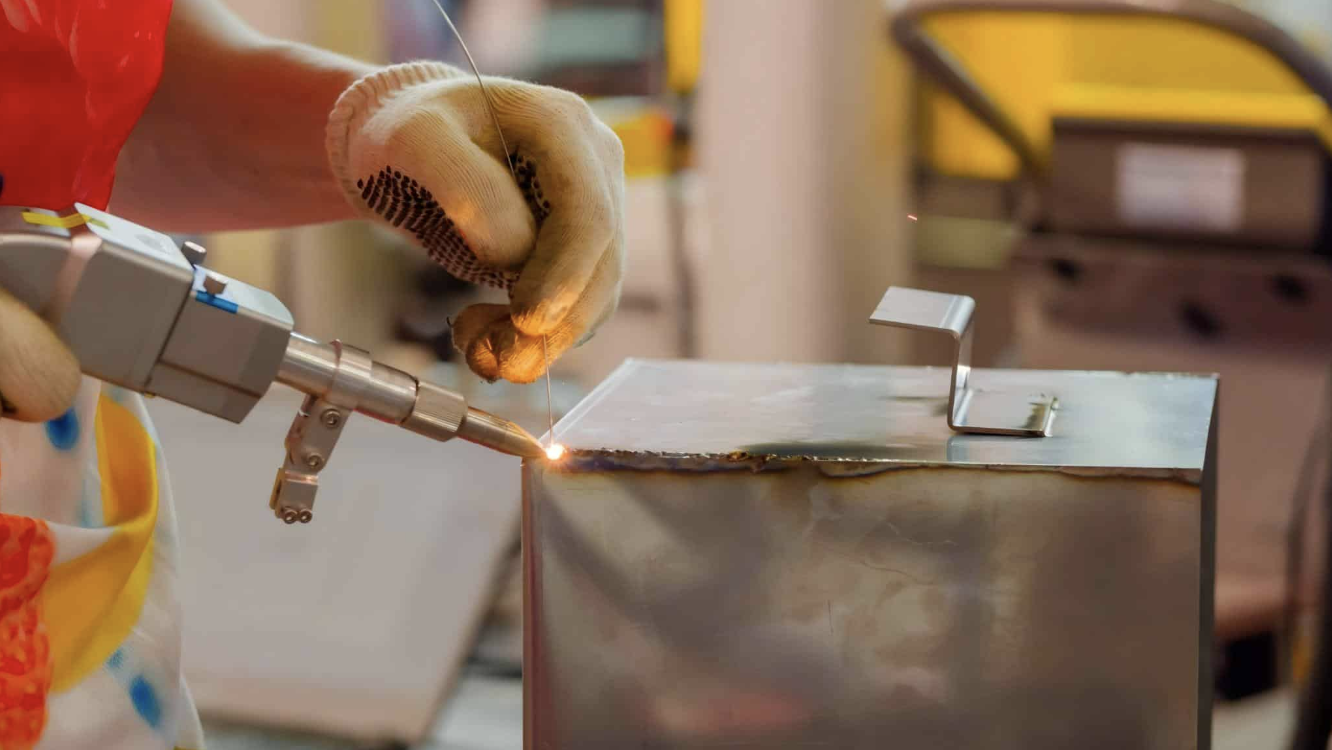
A welding fixture is a tool designed to hold, align, and stabilize workpieces during welding, ensuring accuracy, repeatability, and safety. As manufacturing technology advances—and tolerances tighten—these fixtures play a crucial role in boosting throughput while maintaining precision. Understanding their benefits helps you make smarter investments that directly improve your production line’s performance.
Improved Accuracy and Repeatability
Precision is the hallmark of quality manufacturing. Welding fixtures are purpose-built to eliminate alignment errors and ensure repeatability across every weld cycle.
- Consistent Part Orientation: Fixtures keep parts in a fixed position, eliminating the risk of movement caused by heat distortion or human error.
- Dimensional Control: They help maintain tighter tolerances and geometry, especially in high-precision industries like aerospace or medical device fabrication.
- Reduced Variation: By securing each piece identically, fixtures deliver uniform results batch after batch.
The result is a measurable improvement in quality, fewer rejects, and reduced downstream corrections. For operations that depend on exact fits, a reliable welding fixture is the difference between meeting and exceeding specifications.
Reduced Distortion and Warpage
Thermal stress during welding often leads to part distortion—a major challenge for fabricators working with thin or complex metals. Fixtures solve this by keeping parts rigid and stable throughout heating and cooling cycles.
- Rigid Clamping: Prevents unwanted shifts as molten metal cools and contracts.
- Optimized Heat Flow: Proper fixturing distributes heat evenly, reducing localized hot spots.
- Minimized Residual Stress: Less internal tension translates to flatter, more dimensionally stable parts.
In practice, this means fewer warped assemblies, less scrap, and reduced post-weld correction.
Enhanced Productivity and Faster Setup
When time is money, setup speed and efficiency matter. Welding fixtures accelerate production by simplifying alignment and reducing manual adjustments.
- Quick-Change Components: Modular clamps, locators, and pins minimize setup time between different parts.
- Repeatable Positioning: Operators can load and weld parts rapidly without remeasuring or realigning each piece.
- Streamlined Workflow: With parts held securely in place, welders can focus on execution instead of setup.
This boost in efficiency allows your team to complete more welds per shift and maintain consistent cycle times—key drivers of profitability.
Cost Efficiency and Scrap Reduction
Investing in a welding fixture pays for itself quickly by reducing waste and improving overall productivity.
- Less Rework: Consistent alignment means fewer defective welds and reduced need for rework or grinding.
- Material Savings: Proper positioning eliminates scrap caused by misalignment or incomplete fusion.
- Lower Labor Costs: Fixtures reduce manual handling, freeing skilled welders to focus on critical tasks.
Over time, the fixture’s initial cost becomes negligible compared to the ongoing savings it generates through efficiency and accuracy.
Enhanced Safety and Ergonomics
Safety is a non-negotiable aspect of modern manufacturing. Welding fixtures not only improve precision but also enhance workplace safety and ergonomics.
- Secure Part Handling: Heavy or awkward components are held firmly, minimizing the risk of slipping or tipping.
- Reduced Operator Fatigue: Less manual holding or repositioning means safer, more comfortable working conditions.
- Improved Torch Access: Consistent positioning allows safer access angles and minimizes awkward posture or overreach.
These improvements help reduce accidents, repetitive strain, and operator fatigue—creating a safer and more productive environment.
Compatibility with Automation and Robotics
As manufacturers move toward Industry 4.0, the welding fixture has evolved to work seamlessly with automation systems and robotic welders.
- Reference Frames: Fixtures provide precise, stable coordinates for robotic weld paths.
- Sensor Integration: Many modern fixtures include clamping sensors and interlocks to synchronize with robot movements.
- Repeatable Torch Trajectories: Automated systems rely on fixtures for accurate positioning—ensuring every weld follows the same path.
Whether you’re using a robot, cobot, or hybrid system, a well-engineered fixture enhances consistency and throughput, maximizing your automation ROI.
Flexibility Through Modular and Custom Fixtures
Not all welding operations are the same, which is why fixture design flexibility is so valuable.
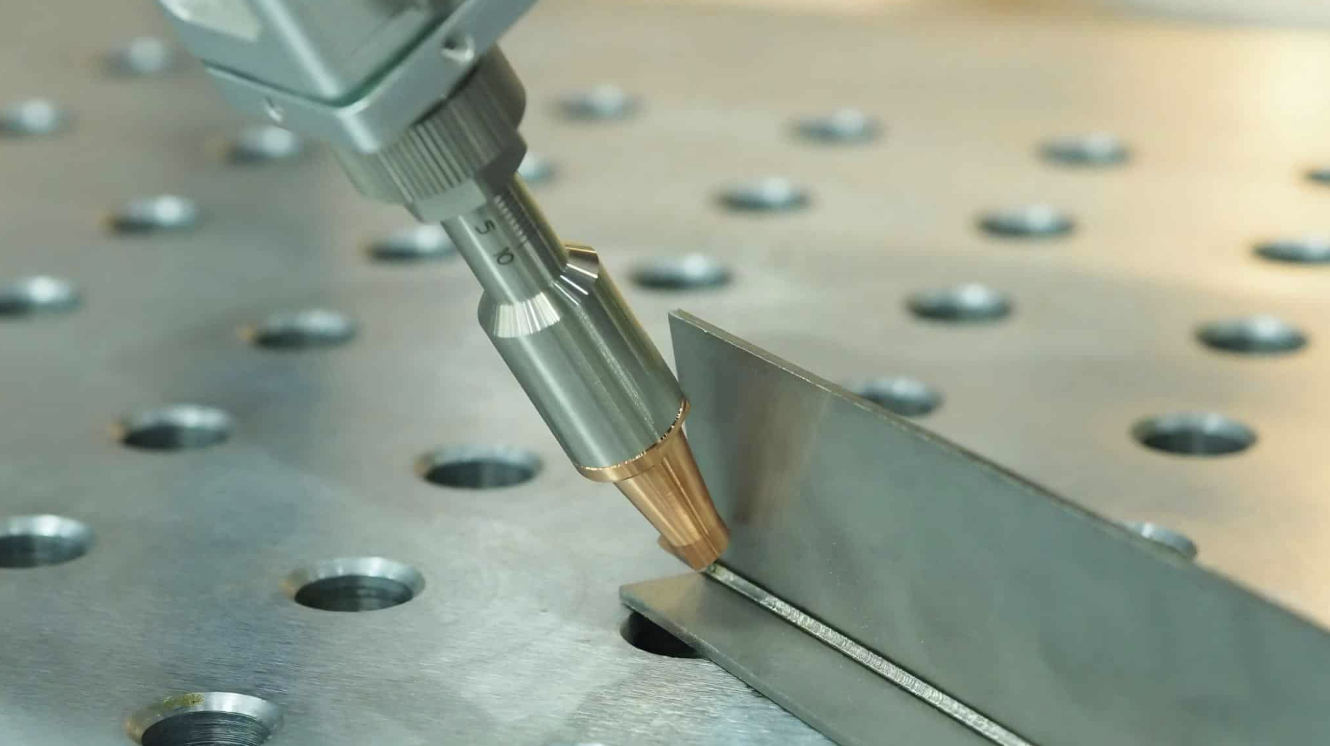
- Modular Fixtures: These systems use standardized plates, blocks, and clamps that can be reconfigured for new parts. They’re ideal for low- to mid-volume production.
- Custom Fixtures: Tailored for specific geometries or materials, these provide the best accuracy and stability in high-volume or complex production environments.
- Hybrid Systems: Combine modular adaptability with custom features, offering a cost-effective balance of flexibility and precision.
Flexible fixture systems allow manufacturers to adapt quickly to changing product lines—vital in today’s fast-paced market.
Better Quality Assurance and Traceability
Fixtures don’t just aid production—they also improve quality control and traceability.
- Inspection Reference Points: Built-in datum points and alignment marks simplify post-weld measurement and inspection.
- Repeatable Quality Checks: Consistent positioning enables automated or semi-automated QC processes.
- Data Integration: In advanced systems, fixture sensors can log clamping pressure or alignment data for digital records.
This traceability supports compliance in regulated industries and provides verifiable documentation for quality audits
Long-Term Reliability and Maintenance
High-quality welding fixtures are designed to endure thousands of cycles without loss of precision.
- Durable Materials: Hardened steel and precision-machined components ensure longevity.
- Low Maintenance Needs: Routine cleaning and calibration keep performance consistent over time.
- Serviceability: Replaceable parts and modular construction make it easy to maintain without downtime.
A reliable fixture is an asset that continues to deliver accuracy and stability long after its initial purchase.
Precision-Driven Welding Solutions
When it comes to building a foundation for precision manufacturing, it stands out as a trusted name. Its advanced welding fixture solutions are engineered to enhance accuracy, repeatability, and safety across industries.
Denaliweld designs fixtures that integrate seamlessly with both manual and automated welding setups—helping teams achieve cleaner welds, faster setups, and higher output. Whether you’re running small-batch fabrication or large-scale production, their commitment to quality and innovation ensures your processes stay efficient, reliable, and future-ready.
Conclusion
A well-designed welding fixture is more than just a positioning tool—it’s a productivity multiplier. From improved accuracy and reduced distortion to enhanced safety and automation readiness, the benefits extend throughout the production process.
By investing in robust fixturing systems, you can ensure every weld meets specification, every batch maintains consistency, and every operator works safely and efficiently. With solutions from innovators, you can align your welding operations with the precision and performance demanded by modern manufacturing.
Source: https://megapersonals.co.com/