A home is only as strong as its foundation, and when that foundation begins to show signs of cracking, it’s not just a cosmetic concern—it’s a warning signal. Cracked foundations are among the most alarming structural issues a property can face, and ignoring them can lead to costly damage, safety hazards, and reduced property value. From small hairline fractures to deep structural splits, these cracks tell a story about stress, shifting soil, water damage, and time.
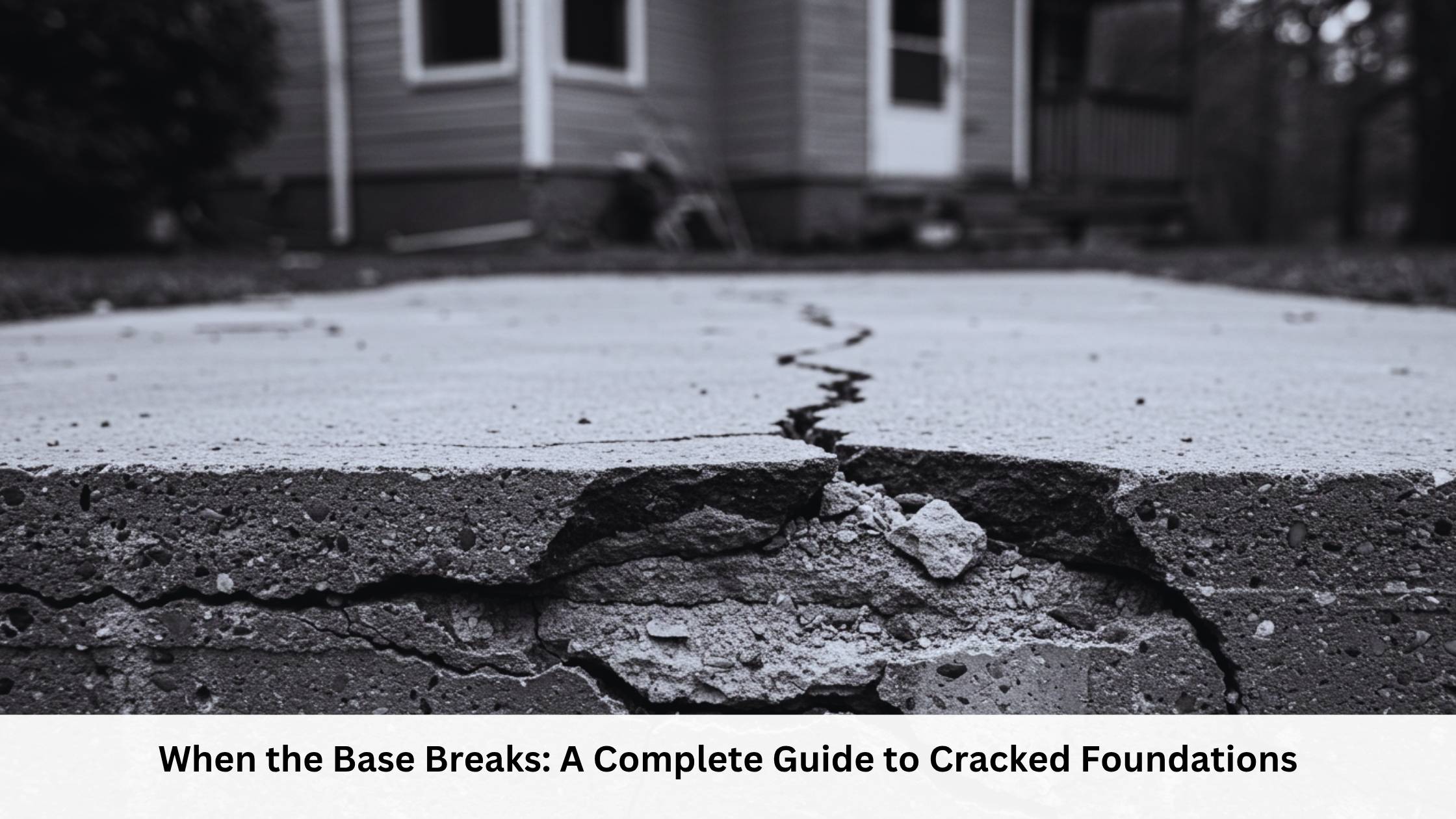
In this in-depth article, we’ll explore the causes, types, signs, risks, and solutions associated with cracked foundations. We’ll also show how foundation repair plays a critical role in restoring structural stability, preventing future issues, and safeguarding your investment.
Understanding Cracked Foundations: What Do They Mean?
Cracks in a foundation can result from a variety of environmental and structural forces. They occur when the concrete or masonry elements of a home’s base can no longer withstand pressure or movement. While not every crack is dangerous, each one demands attention.
Some cracks are minor surface imperfections, while others are symptoms of serious structural failure. The difference lies in their pattern, size, location, and what caused them in the first place.
Common Causes of Cracked Foundations
1. Soil Movement and Settlement
Soil underneath a home can shift, compact, or expand due to moisture content changes. When the ground shifts unevenly, it exerts pressure on different parts of the foundation. Over time, this stress leads to cracks.
- Expansive clay soil swells with water and shrinks when dry, causing significant stress on the foundation.
- Poor soil compaction during construction can result in uneven settling later.
2. Water Damage
Excess moisture is one of the biggest threats to any foundation. Poor drainage, broken pipes, or a high water table can cause the soil to become saturated. This weakens the support system beneath the foundation, causing it to crack under pressure.
3. Temperature Changes
Thermal expansion and contraction can create internal stress within concrete, particularly in climates with extreme temperature fluctuations.
4. Poor Construction Practices
Foundations built with subpar materials or insufficient reinforcements are more likely to crack. Even slight mistakes during curing or mixing concrete can lead to long-term damage.
5. Tree Roots and Vegetation
Roots growing beneath or beside a foundation can displace soil or extract moisture, creating voids or stress zones that cause cracking.
Types of Cracks and What They Indicate
Not all foundation cracks are equal. Their direction, width, and depth can reveal their severity and cause.
a) Hairline Cracks
- Typically less than 1/16 inch wide
- Common in new homes due to settling or concrete curing
- Generally cosmetic, but should be monitored
b) Vertical Cracks
- Run straight up and down or at slight angles
- Often caused by natural settling
- May not be serious, but still a candidate for early foundation repair
c) Horizontal Cracks
- Often the most serious
- Caused by lateral pressure from saturated soil or frost
- Can indicate imminent wall failure
d) Diagonal Cracks
- Usually start at corners of windows or doors
- Sign of differential settlement or shifting foundation
- May lead to uneven floors or structural instability
e) Stair-Step Cracks in Masonry
- Common in block or brick foundations
- Suggests foundation movement and needs professional assessment
Warning Signs Accompanying Foundation Cracks
Cracks rarely appear alone. Other symptoms can confirm that the issue is not just superficial:
- Uneven or sloping floors
- Doors and windows sticking or misaligned
- Gaps between walls and ceilings
- Cracked interior walls or ceiling plaster
- Water intrusion or dampness in the basement
- Musty odors from mold or mildew
When these symptoms accompany cracked foundations, it is a strong indicator that foundation repair is necessary to address both visible and hidden damage.
Risks of Ignoring Cracked Foundations
Many homeowners delay addressing cracks, especially if they appear small or non-threatening. However, the risks of inaction include:
- Structural collapse: In severe cases, foundation failure can make a building unsafe to occupy.
- Water infiltration: Cracks allow moisture to seep in, leading to mold, mildew, and rot.
- Decreased property value: Structural issues deter buyers and reduce appraisal value.
- Pest infestation: Small gaps in the foundation become entry points for insects and rodents.
- Costlier repairs later: What could be a simple sealing job today might become a full-scale rebuild tomorrow.
Evaluating Cracks: When to Seek Professional Help
You can inspect foundation cracks yourself, but knowing when to call a professional is critical. Seek expert evaluation if:
- The crack is wider than 1/8 inch
- It’s growing over time
- It’s horizontal or stair-stepped
- It’s accompanied by other structural signs (sloping floors, sticking doors)
- Water is entering through it
Foundation specialists or structural engineers use tools like crack monitors, soil reports, and laser levels to determine the cause and necessary solution.
Foundation Repair Solutions for Cracked Foundations
Once cracks are diagnosed, professionals may recommend one or more foundation repair methods based on the severity of the problem.
1. Epoxy or Polyurethane Crack Injections
- Used for non-structural or hairline cracks
- Fills voids and seals out moisture
- Polyurethane is flexible, good for areas prone to movement
- Epoxy is rigid and adds structural integrity
2. Piering Systems
- Steel piers are driven deep into stable soil to lift and support the foundation
- Often used when settling has caused major cracking
- Provides long-term stability by bypassing weak soil
3. Slabjacking (Mudjacking)
- Used for sunken concrete slabs
- Involves pumping a slurry beneath the slab to lift it back into place
- A cost-effective and less invasive option
4. Wall Bracing and Anchoring
- For horizontal or bowing cracks
- Carbon fiber strips or steel braces reinforce the wall
- Wall anchors stabilize soil pressure from the outside
5. Drainage Corrections
- Essential when water is the underlying issue
- May include grading, gutter fixes, French drains, or sump pumps
- Often complements physical foundation repair methods
Combining structural fixes with improved water management ensures that cracks don’t return and that future shifting is minimized.
Preventing Future Cracks
While no foundation is immune to stress, proper maintenance can reduce the risk of cracks:
- Maintain consistent moisture levels around the home
- Install and clean gutters regularly
- Ensure proper drainage away from the foundation
- Avoid planting large trees too close to the house
- Seal small cracks as soon as they appear
- Monitor interior signs of movement or shifting
Routine inspections and early interventions are far more affordable than major foundation repair work down the line.
Final Thoughts
Cracked foundations are not just a matter of aesthetics—they’re a structural issue that demands attention. Whether caused by soil movement, water damage, or structural flaws, ignoring cracks can lead to more extensive and expensive repairs. Fortunately, advances in foundation repair in Ottawa techniques have made it possible to address these problems efficiently and permanently.
By understanding the types, causes, and implications of cracks, homeowners can make informed decisions and act before minor damage becomes a major crisis. The foundation is the core of your home’s stability—keeping it intact protects not only your property but your peace of mind.