
Finding a Montessori preschool near me involves looking for schools that follow the Montessori method, which emphasizes hands-on learning and child-led activities. Parents often search for programs that balance structure with freedom, allowing children to develop independence and critical thinking skills.
A Montessori preschool near you can be identified by its focus on mixed-age classrooms, specially designed materials, and teachers trained in Montessori principles. These elements create an environment tailored to each child’s pace and interests.
Many communities have multiple options, so checking local directories, visiting schools, and reviewing their curriculum can help narrow down the best fit. Understanding what sets Montessori apart can guide families in making informed decisions.
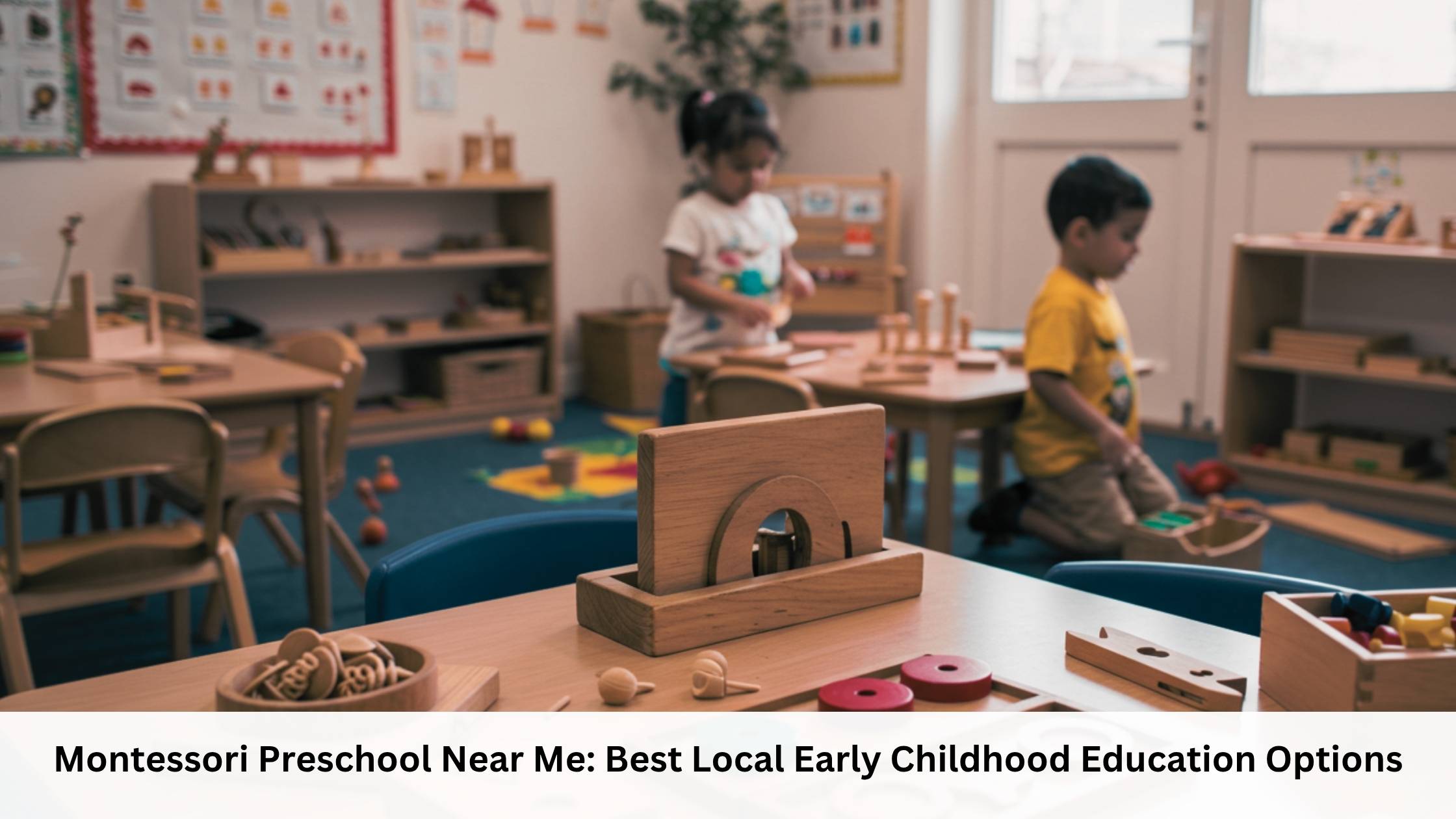
What Makes a Montessori Preschool Unique
Montessori preschools emphasize child-led learning, hands-on activities, and individualized pacing. They differ from conventional settings by fostering independence and respect for a child’s natural development.
Core Montessori Principles
Montessori education is built on respect for the child, individualized learning, and prepared environment. Children choose activities based on interest, which encourages intrinsic motivation.
Teachers act as guides rather than traditional instructors. The classroom is organized with materials designed to promote sensory exploration and practical life skills.
Key principles include self-directed activity, mixed-age groups, and uninterrupted work periods. These elements support focus, collaboration, and mastery over new skills at a natural pace.
Benefits of Montessori Education
This approach supports cognitive, social, and emotional growth equally. Children develop problem-solving skills through concrete, tactile materials.
Montessori settings encourage active learning and responsibility. Kids often show better concentration, creativity, and confidence compared to peers in traditional settings.
Socially, interaction with different age groups fosters leadership and empathy. The environment promotes respect for oneself, others, and the classroom space.
Montessori vs. Traditional Preschools
Montessori classrooms use specialized materials to teach concepts firsthand. Traditional preschools often rely on group lessons and teacher-directed activities.
In Montessori, children choose tasks that match their developmental needs. Traditional methods may follow a fixed curriculum with less flexibility.
Montessori emphasizes independence and internal motivation. Traditional preschools may focus more on compliance and external rewards.
| Feature | Montessori | Traditional Preschool |
|---|---|---|
| Learning Approach | Child-led, hands-on | Teacher-led, group-based |
| Classroom Age Group | Mixed ages | Same age |
| Role of Teacher | Guide/facilitator | Instructor |
| Curriculum Flexibility | High | Moderate to low |
| Focus | Independence, mastery | Compliance, skill coverage |
How to Choose the Best Montessori Preschool Near Me
Choosing a Montessori preschool involves assessing specific factors like classroom environment, teacher qualifications, and the school’s approach to Montessori principles. It also requires clear communication about policies and the enrollment steps to ensure the school fits the child’s needs and the family’s expectations.
Key Criteria for Evaluating Schools
A quality Montessori preschool should follow authentic Montessori methods, including mixed-age classrooms and self-directed learning materials. Look for classrooms that are calm and orderly, with child-sized furniture and accessible learning materials.
Teacher certification in Montessori education is essential. Experienced teachers trained in Montessori pedagogy support children’s independence and development better than those without specific Montessori credentials.
The ratio of students to teachers also matters. Smaller groups, typically around 1:10 or less, allow more individual attention. The school’s approach to social and emotional development alongside academics is another key consideration.
Questions to Ask During a School Visit
Parents should ask about daily routines, how lessons are presented, and how children are encouraged to explore. It is important to understand how teachers handle conflicts and guide children in social skills.
Inquire about teacher qualifications and Montessori training. Ask for examples of how the school individualizes learning for different children’s needs.
It’s also useful to ask about parent involvement opportunities and communication methods. Understanding the school’s policies on discipline, outdoor play, and screen time helps determine if the environment aligns with family values.
Enrollment and Admission Process
Most Montessori preschools require an application that includes a visit or observation day for prospective students. Some programs have waiting lists, so early application is recommended.
Admission may be based on age requirements, readiness assessments, or interviews with parents and child. Financial aid or tuition assistance options should be clarified during this process.
Families should request a clear timeline for enrollment steps, including deposit deadlines, required paperwork, and orientation schedules. This ensures a smooth transition into the school community.
Source: https://megapersonals.co.com/