
Introduction to UDISE and Its Purpose
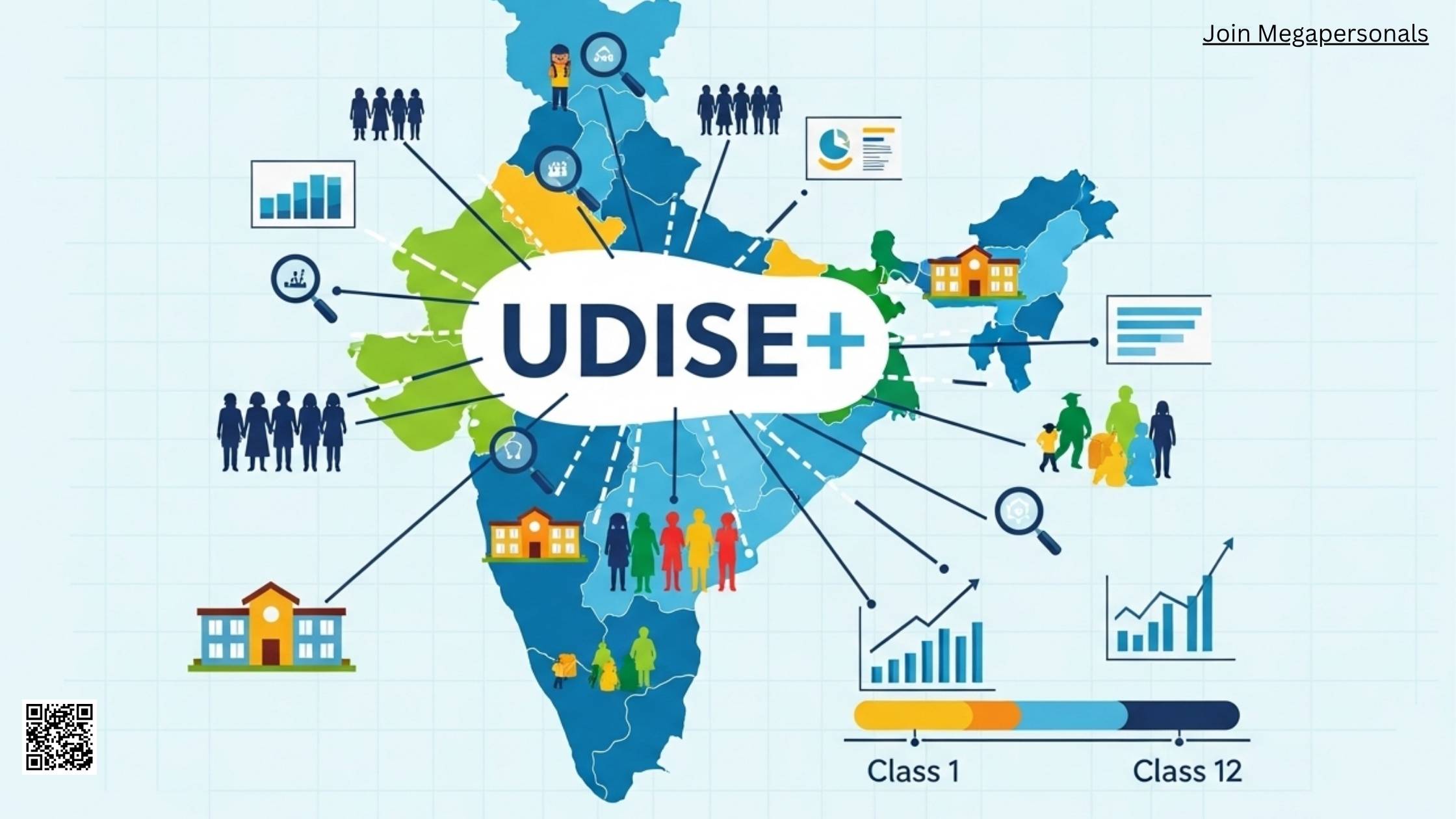
When you think about how education data is collected and managed across a vast country like India, it’s easy to assume the process must be overwhelming. But this is where UDISE steps in. UDISE, short for Unified District Information System for Education, is the central platform through which school-level data is captured, updated, and analysed to inform planning and policy-making.
The goal is simple: collect timely and accurate information from all schools, whether public or private, rural or urban. This includes everything from the number of enrolled students to the availability of toilets or science labs. It creates a clear picture of the school system for everyone from district-level officers to national education planners.
What Makes UDISE So Important
UDISE isn’t just about collecting data for the sake of it. Its value lies in what the data allows decision-makers to do:
- Identify gaps in infrastructure
- Allocate resources where they’re needed most
- Monitor progress on education goals
- Understand enrollment patterns
- Track gender parity in schools
With more than 1.5 million schools and over 250 million students, having a single system for information gathering helps maintain consistency and avoid duplication.
Evolution from UDISE to UDISE Plus
What Changed
Initially launched in 2012-13, the original system has evolved into UDISE Plus. The shift wasn’t just in name. It marked a transformation in how data is collected—making it digital, more accurate, and easier to access. Unlike earlier systems where schools sent data annually in hardcopy or offline spreadsheets, UDISE Plus brings everything online.
Key Enhancements
- Real-time data validation
- School-wise dashboards
- Publicly accessible data portals
- Integration with teacher and student databases
This improvement means that state departments and education boards can now act faster, with better insights.
How the Data Collection System Works
Who Inputs the Data
Data entry typically begins at the school level. Head teachers or assigned staff are responsible for filling out the Data Capture Format (DCF) through a digital interface. This format covers areas such as:
- Number of classrooms
- Student demographics
- Teacher qualifications
- Facilities like playgrounds, computers, electricity
- Learning outcomes where available
Once this is completed, it goes through a multi-level verification process at the cluster, block, district, and state levels.
The DCF in Detail
The Data Capture Format is essentially the heart of UDISE. It standardises reporting across:
- Primary, Upper Primary, Secondary and Senior Secondary levels
- Private, Government, and Aided institutions
- Special categories like madrasas, tribal schools, and alternative education centres
Learn details about ForHerTube
What Type of Information UDISE Tracks
Here are the key categories of data captured:
Student Data
- Enrolment by grade, gender, and category (SC/ST/OBC/General)
- Attendance and dropout rates
- Transition rates from one level to another
Teacher Data
- Total number of teaching and non-teaching staff
- Subject specialisation
- Teacher training and professional development
- Age, gender, and social category breakdown
Infrastructure
- Availability of classrooms and their condition
- Drinking water facilities
- Toilets (functional/non-functional, gender-separated)
- Access to electricity and internet
- Lab and library availability
Financials
- Budget allocations
- Grants received and utilised
- Mid-day meal coverage
Digital Facilities
- Number of computers and smart classrooms
- Internet bandwidth
- Use of learning management systems or e-content platforms
Data Usage in Real Situations
Let’s say a district education officer needs to identify which schools lack proper science labs. UDISE helps pinpoint them instantly, allowing budgets to be redirected or grants approved. Or if enrolment numbers suddenly drop in a rural block, early alerts from the system prompt outreach or new interventions.
Real-World Impact of UDISE-Based Decisions
Resource Allocation
- Solar panels were installed in off-grid schools in Chhattisgarh after power access data flagged gaps.
- Special education grants were directed to districts with low enrolment of children with disabilities.
Teacher Deployment
- Teachers were reassigned to overcrowded schools in UP and Bihar after pupil-teacher ratios showed stark imbalances.
Infrastructure Development
- Washroom construction drives were started in districts showing lack of basic sanitation facilities, especially for girls.
Comparing UDISE with Other Data Systems
Here is a quick overview:
| Feature | UDISE Plus | AISHE (Higher Ed) | NAS (Learning Survey) |
| Education Levels Covered | Pre-primary to 12 | Colleges/Universities | Classes 3, 5, 8, 10 |
| Data Type | Institutional | Academic/Faculty | Student learning levels |
| Frequency | Annual | Annual | Periodic (not annual) |
| Granularity | School-level | Institution-level | Student sample-based |
| Publicly Available | Yes | Yes | Yes |
Accessing the UDISE Portal
Anyone can visit the UDISE Plus portal to view data. The site allows:
- School report card viewing
- District-wise dashboards
- Downloads of state and national level reports
- Reports on enrolment trends and learning indicators
School-specific information like address, management type, enrolment, and facilities is available with a simple school code or name search.
Challenges Faced by the System
While UDISE has brought a new level of clarity and centralisation, it isn’t without challenges:
- Data reliability depends on the honesty of inputs
- Some schools still lack digital capacity for timely uploads
- Underreporting or misreporting can affect policy actions
- Frequent teacher transfers affect continuity in reporting
Despite these, the system continues to evolve. New integrations like GIS mapping and biometric attendance tracking are already being piloted.
Future Possibilities and Developments
UDISE is expected to move beyond just institutional data to a more individual-level approach. The integration of:
- Aadhaar-based student IDs
- Continuous performance tracking
- AI-led trend predictions
will help further personalise interventions and streamline decision-making.
There are also plans to link UDISE with digital learning apps, school inspections, and feedback mechanisms from parents and students.
Why UDISE Matters to Different Stakeholders
For Policymakers
- Track the real impact of government initiatives
- Plan budgets and education schemes more efficiently
For Teachers and School Heads
- Benchmark school performance
- Highlight local achievements
- Apply for grants with validated data
For Parents
- Choose schools based on objective data
- Understand staff strength, facilities, and class size
For NGOs and Researchers
- Targeted intervention design
- Conduct informed studies
Conclusion
UDISE has proven to be more than just a database. It’s a dynamic, evolving system that connects the dots across India’s diverse educational ecosystem. From tracking enrollment patterns to highlighting resource gaps, its value lies in the ability to see the full picture and take action accordingly.
By strengthening the system further and involving all stakeholders, UDISE will continue to play a key role in shaping the future of school education in India.
Tamildhooms.com Review – Is It Safe & Legal to Use?
Frequently Asked Questions
What is the difference between UDISE and School Report Cards?
UDISE captures comprehensive data submitted by schools for planning and analysis, while School Report Cards are summarised outputs of that data designed for public viewing. The report card presents an easy-to-read overview for parents and communities.
Can private unaided schools be exempted from UDISE data entry?
No, all recognised schools in India including private unaided schools are required to submit data through the UDISE system to ensure uniformity in nationwide educational statistics.
Is student-level tracking available through UDISE?
Currently, UDISE focuses on school-level data. However, future developments aim to include student-level tracking through unique identifiers and integration with other educational databases.
How is data quality ensured during the submission process?
The data entered goes through multiple levels of verification at the cluster, block, district, and state levels. Built-in validation checks in UDISE Plus also flag inconsistent or missing entries.
Who can request changes if there is an error in a school’s UDISE data?
Only authorised school administrators can initiate corrections. These are reviewed and approved by the respective educational authorities at the block or district level before being updated in the central system.