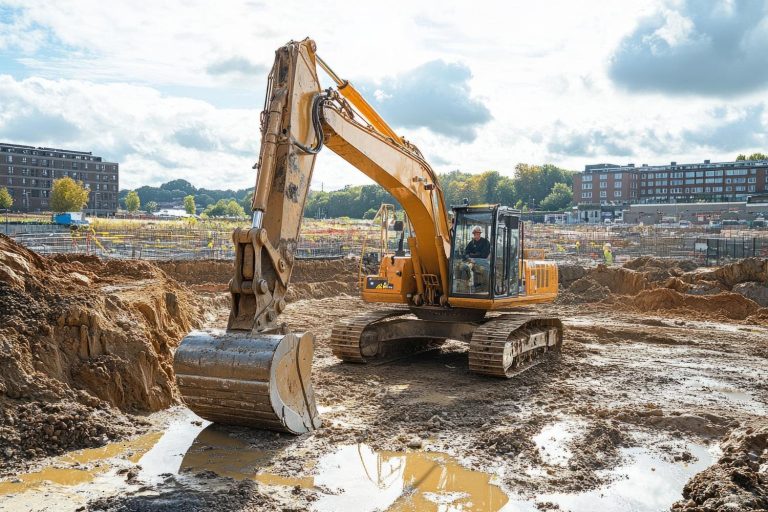
Whether it’s hot, rainy, snowy, or muddy, your excavator helps you a lot on the construction site. However, due to the constant stress on their components, the components will wear and tear as time goes by. So it’s recommended to inspect your excavator at a regular interval. This guide will tell you the warning signs that your excavator is in bad condition, and the maintenance tips to keep your excavator running smoothly.
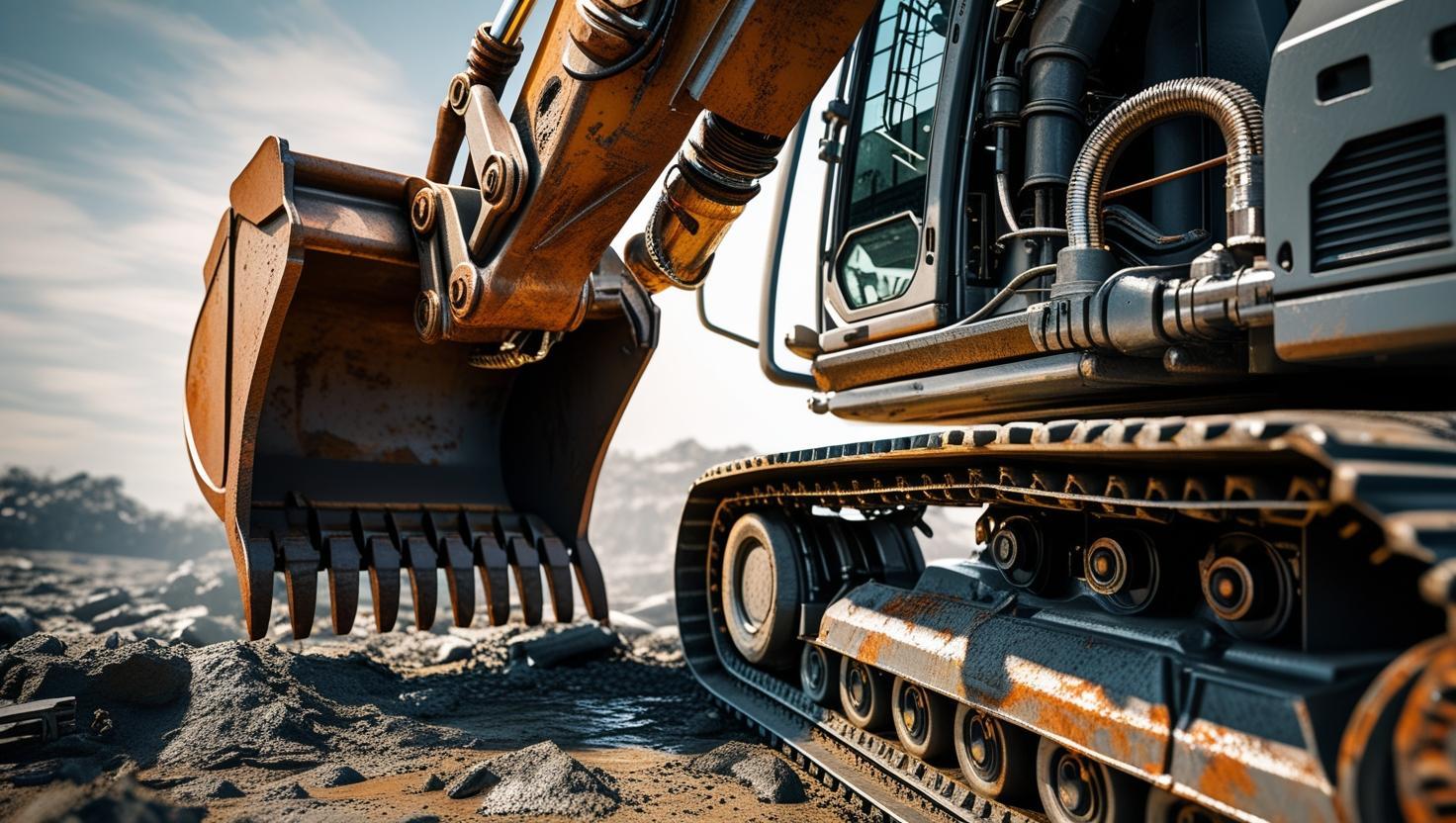
2025 Excavator Maintenance Checklist
Use this general schedule to stay on top of your excavator’s needs. Crucially, always refer to your OEM manual for the precise intervals, as they can vary by model.
Daily (or Every 10 Hours)
- Check engine oil, coolant, and hydraulic fluid levels.
- Drain water from the fuel/water separator.
- Conduct a walk-around inspection for leaks or damage.
- Clean the undercarriage of dirt and debris.
- Check all grease points and lubricate as needed.
Every 250 Hours
- Change the engine oil and engine oil filter.
- Check the oil levels in the swing drive and final drive.
- Inspect the fan belt for wear and proper tension.
- Check the battery terminals for corrosion.
Every 500 Hours
- Replace the primary and secondary fuel filters.
- Clean the fuel tank cap and strainer.
- (Repeat 250-hour tasks)
Every 1000 Hours
- Replace the hydraulic system oil filters (case drain, pilot, and return).
- Change the oil in the swing drive.
- (Repeat 250 and 500-hour tasks)
Every 2000 Hours
- Change the oil in the final drives.
- Change the hydraulic oil (or as recommended by oil analysis).
- Inspect and adjust engine valve clearance.
- (Repeat all previous interval tasks)
As Needed
- Inspect and replace the battery.
- Reset any tripped circuit breakers and investigate the cause.
- Replace worn or damaged parts like teeth, hoses, or seals. Finding high-quality excavator parts quickly is key to minimizing downtime and ensuring a lasting repair.
Signs Your Excavator Needs Maintenance
Your excavator will often provide clear signals when a component is failing or requires service. Ignoring these warnings can turn a minor issue into a catastrophic failure. Be vigilant for these common signs:
- Warning Light Indicators: This is the most direct-viewing phenomenon. The alarm lamp on the instrument panel, its flashing is the machine giving you a hint that a certain system, from the engine part to the hydraulic part, has appeared abnormal condition.
- Liquid Position is Low: If you discover with high frequency that the hydraulic oil, machine oil, or cooling liquid position is too low, this is a great possibility to explain that the filter element, rubber tube, or seal ring has a leakage situation, which demands you to execute handling.
- Unusual Sound Occurrence: The ear organ is a strong diagnostic instrument. For example, ‘hiss hiss,’ ‘screech screech,’ ‘grind grind,’ ‘bang bang’ sounds, these are all clear expressions that a place has produced a problem and must immediately adopt corrective measures.
- Component or System Function Lose Efficacy: When a certain designated function, taking for example the turning motor or the hydraulic pressure cylinder, its action becomes not nimble, its power becomes not enough, or it completely stops motion, this is often the signal of breakdown appearance and can influence other systems.
9 Key Excavator Maintenance Tips
Following these fundamental tips will help you maximize the performance and lifespan of your excavator.
- Know Your Operator’s Manual: The most critical step is to read and understand the original equipment manufacturer (OEM) manual. While many excavators are similar, each model has specific maintenance schedules, fluid requirements, and procedures.
- Perform Daily Inspections: Before starting work each day, conduct a thorough walk-around inspection. Look for visual damage, leaks, loose bolts, and worn hoses. This simple habit can catch small problems before they become major repairs.
- Keep the Undercarriage Clean: The undercarriage can account for a significant portion of your machine’s repair costs. Use a shovel or pressure washer to remove built-up dirt, mud, and debris daily. A clean undercarriage prevents premature wear on rollers, idlers, and sprockets, and avoids excess weight that hurts fuel economy.
- Check and Adjust Track Tension: Proper track tension is crucial. Tracks that are too tight cause accelerated wear on the chain and sprockets. Tracks that are too loose can lead to de-tracking and damage to undercarriage components. Check the Slack according to your manual’s specifications. Especially after changing ground conditions, like moving from soft soil to hard rock.
- Lubricate All Grease Points: “Grease is cheap, steel is expensive.” Regularly lubricate all pivot points, including the swing bearing, boom, arm, and bucket pins. Proper lubrication reduces friction and prevents costly wear on critical joints.
- Monitor Fluids and Filters: Your excavator’s lifeblood is its fluids. Regularly check engine oil, coolant, and hydraulic oil levels. At the same time, inspect the air and fuel filters. Clogged filters starve the engine of air and clean fuel, reducing power and efficiency.
- Maintain the Cooling System: An overheating engine can cause catastrophic damage. Keep the radiator fins clean and free of debris to ensure proper airflow. Regularly check coolant levels and inspect hoses for cracks or leaks.
- Log All Service Records: Keep a detailed logbook of all maintenance tasks, inspections, and repairs. This is vital for tracking service history, anticipating future needs, and ensuring nothing gets missed, especially in larger fleets.
- Consider Regular Fluid Analysis: For critical machinery, sending engine oil, hydraulic oil, and coolant samples to a lab for analysis can predict internal component failure before it happens, saving you from catastrophic repair costs.
Wrapping Up
After learning this, you know how to identify the signs and maintain your excavator at the right time, but you may still be confused about where to find the right part. Don’t worry, there are many trusted aftermarket parts options like FridayParts.com for your consideration. Unlike the OEM parts, the aftermarket parts are often cheaper without a brand premium, which can save you a lot of money. Choose the right excavator parts to maintain your equipment now!
Source: https://megapersonals.co.com/